This is part two of the report cards for the 2024 WEC season, comparing the outcomes against what I said in my preview. Read Part One here.
The first season of LMGT3 probably wasn’t quite as good as the Hypercar class it was running alongside, for a variety of reasons. Primary among these was that the ACO struggled with balancing the large number of different GT3 cars against each other. The wisdom of devising their own method for this (using torque sensors) rather than importing the SRO’s can be debated but this isn’t the place. It’s possible that they took some time to evaluate their data because there was a big re-balance for Austin, after which balance improved. But I assumed that the BoP would be on point throughout, which was wrong, so I’m going to have to make allowances.
Also, I split the Hypercars into the returning teams and the new teams, but that doesn’t really make sense for LMGT3. Firstly, as it was the first season of the new format in some way everything was new. Secondly, aside from Ferrari’s AF Corse squad everyone was “new” in some way. So we’ll just go in championship order.
LMGT3 Teams
Manthey (Porsche)
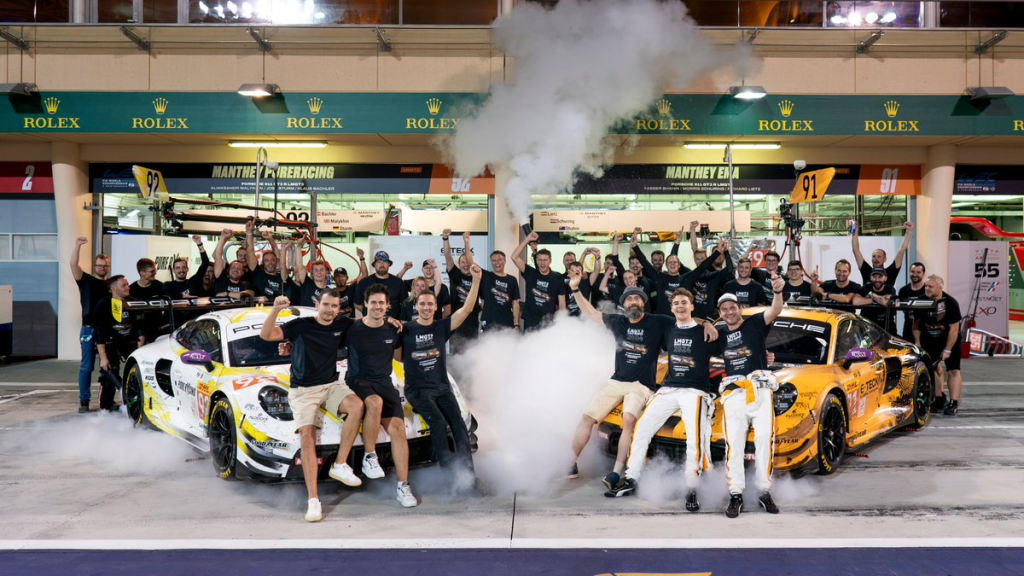
Pre-Season Target: between the two cars a championship contender emerges and they win some races
Actual Performance: 1-2 in the championship, won four races including Le Mans
Average Finishing Position: 6.06 DNFs: 0
Manthey’s season was obviously amazing – they occupied nine out of a theoretically possible 16 podium places. Admiration though must be tempered by the recognition that this isn’t supposed to happen in a BoP formula. Indeed, ACO were surprisingly reticent to rein in the Porsches, not really acting until Austin:
| Race | Outcome | BoP Shift for 911 GT3 R |
| Qatar | Won | +2kg for Imola |
| Imola | Third | +9kg for Spa |
| Spa | Won | +4kg, 3% less power for Austin (Le Mans is different) |
| Interlagos | Won | +15kg for Austin, weight drops for others |
| Austin | Second | -1% power for Fuji |
| Fuji | Second | +5kg, +1% power for Bahrain |
In the light of some other changes, like the 39kg increase for the Lamborghinis between Spa and Austin, arguably a lot of this is just tinkering. Even if they had an advantage, they still had to convert it, and the Pure Rxcing squad did just that. Excellent speed from Malykhin up front (so strong he was promoted to Silver) was backed up by consistency from Sturm and Bachler. A gearbox issue at Le Mans dropped them to 10th, but otherwise the car wasn’t off the podium until the title was wrapped up. EMA were significantly less consistent with crashes and mechanical issues regularly delaying the team. Still they won at Le Mans and in Spa and took second in the championship.
So yeah, they might have had the best car, but they were the best team as well.
Grade: A
AF Corse (Ferrari)
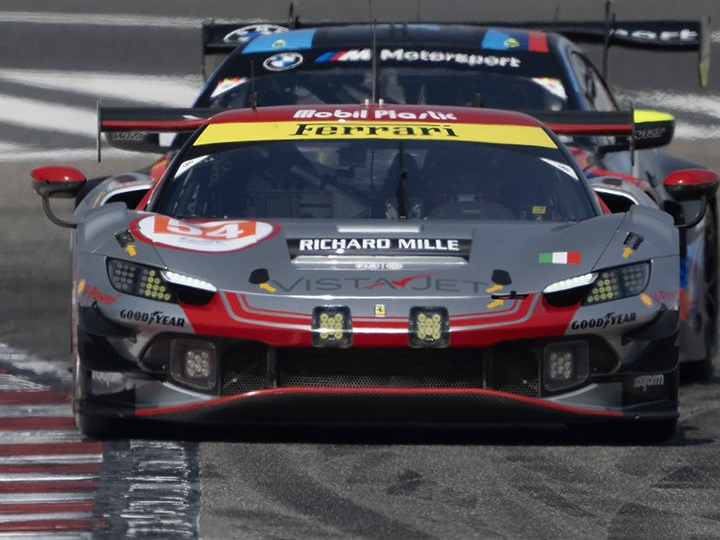
Pre-Season Target: The #54 challenges for the title while the #55 manages a couple of podiums
Actual Performance: Both cars won a race but overall the #55 came closer to challenging for the title (not very close)
Average Finishing Position: 7 DNFs: 2
AF Corse won the two of the three races that happened after the Porsches were pegged back at Austin. That alone gives them a significant edge over the remainder of the pack as “best of the rest”. Still, there were definitely moments which weren’t so good, like Thomas Flohr’s crash at Le Mans. In fact unlike last year the #54 struggled for consistency, with only three points finishes other than the win in Fuji. The #55 was better, but neither car approached the podium other than when they were on the top step. That’s not the sort of form which wins championships, even if they can win races.
Grade: B+
WRT (BMW)
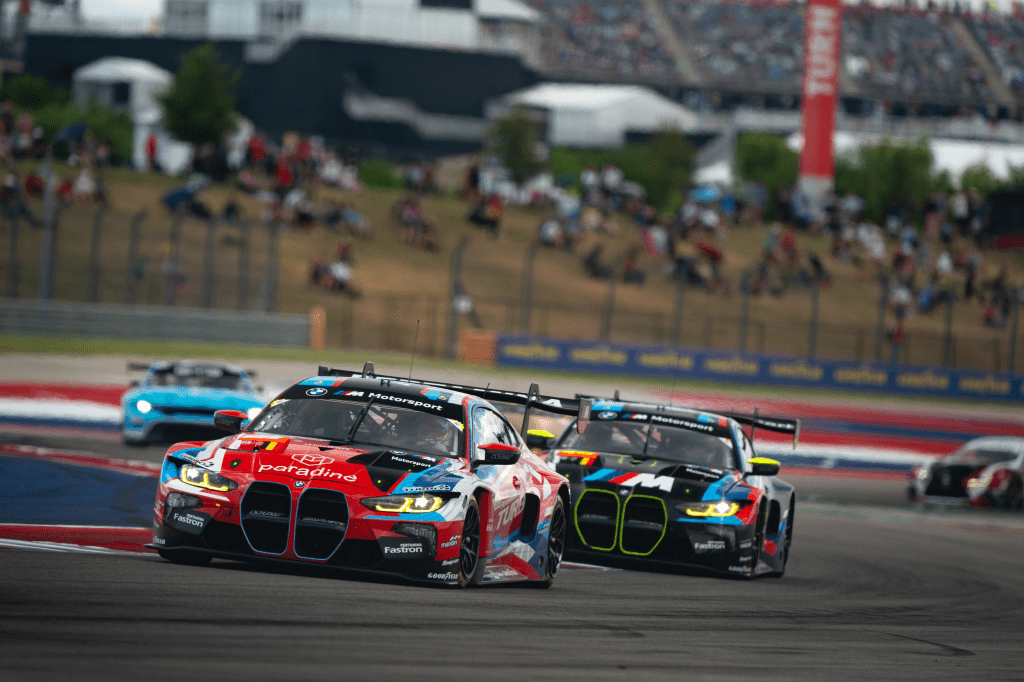
Pre-Season Target: A solid championship challenge featuring wins for the #46 is backed up by a top-half performance from the #31.
Actual Performance: Both cars were top half, the #31 won a race, but neither were really title challengers
Average Finishing Position: 6.25 DNFs: 4
WRT really ought to have done better. In some ways they were unfortunate – the double DNF at Spa was caused by crashes they weren’t at fault for. (Well. Technically WRT’s #20 Hypercar was at fault for the crash that eliminated the #46, but the GT3 team was blameless). Additionally, they often seemed to be strongest in races where Porsche also were. In the odd dry/wet race at Imola they outstrategised and outdrove the Porsches to a memorable 1-2 victory, but after that things mostly went downhill. Spa was a disaster, and driver error and mechanical failures eliminated the #46 twice thereafter. The pace of both cars faded in the run-in, with a single third place at Fuji the only podium after Le Mans.
All told, it was a basically OK year that seemed to go downhill towards the end.
Grade: B
Heart of Racing/D’Station (Aston Martin)
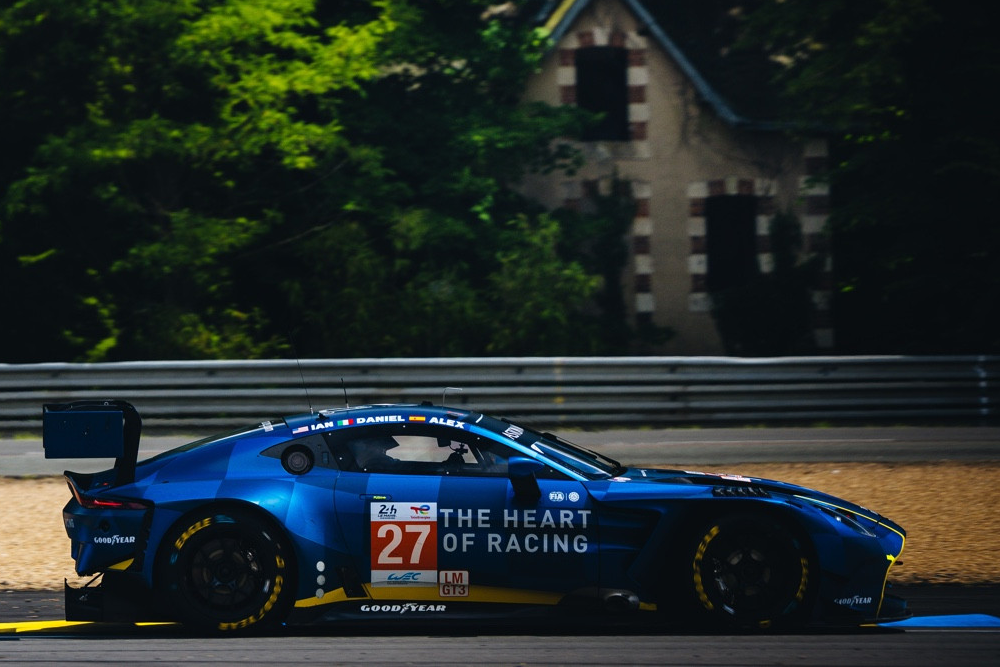
Pre-Season Target: They pick up regular points and come in in the top half of them table.
Actual Performance: They were 5th and 11th, which is top half on average, won a race, and were regular points finishers.
Average Finishing Position: 6.85 DNFs: 2
The two Aston Martin cars were very different in performance, with Heart of Racing finishing ahead 6/8 times. The blue car had three podiums including a win in Austin, and finished fifth overall. The D’Station car on the other hand never cracked the top five again after its third in Qatar. Heart of Racing’s performance possibly should not be surprising given they’re regular race winners in IMSA GTD. Their win being in the US was just a coincidence though, as IMSA hasn’t raced at the Circuit of the Americas since 2017. The team would likely have finished best non-Porsche but for an error at Le Mans leading to a DNF, their only one. D’Station’s DNF was a mechanical retirement, but the team overall lacked Heart of Racing’s pace. Indeed, the only occasions they finished better were Le Mans and due to a badly-timed VSC at Fuji.
Aston Martin suffered at times from some fairly vicious BoP adjustments – the win in Texas was followed by an increase of 10 kg weight and a 2% power loss, for example. In many ways Heart of Racing’s season probably was third best behind the Porsches, though overall the AMRs weren’t as good as the Ferraris.
Grade: B+ (Heart of Racing) / C (D’Station)
Iron Lynx/Dames (Lamborghini)
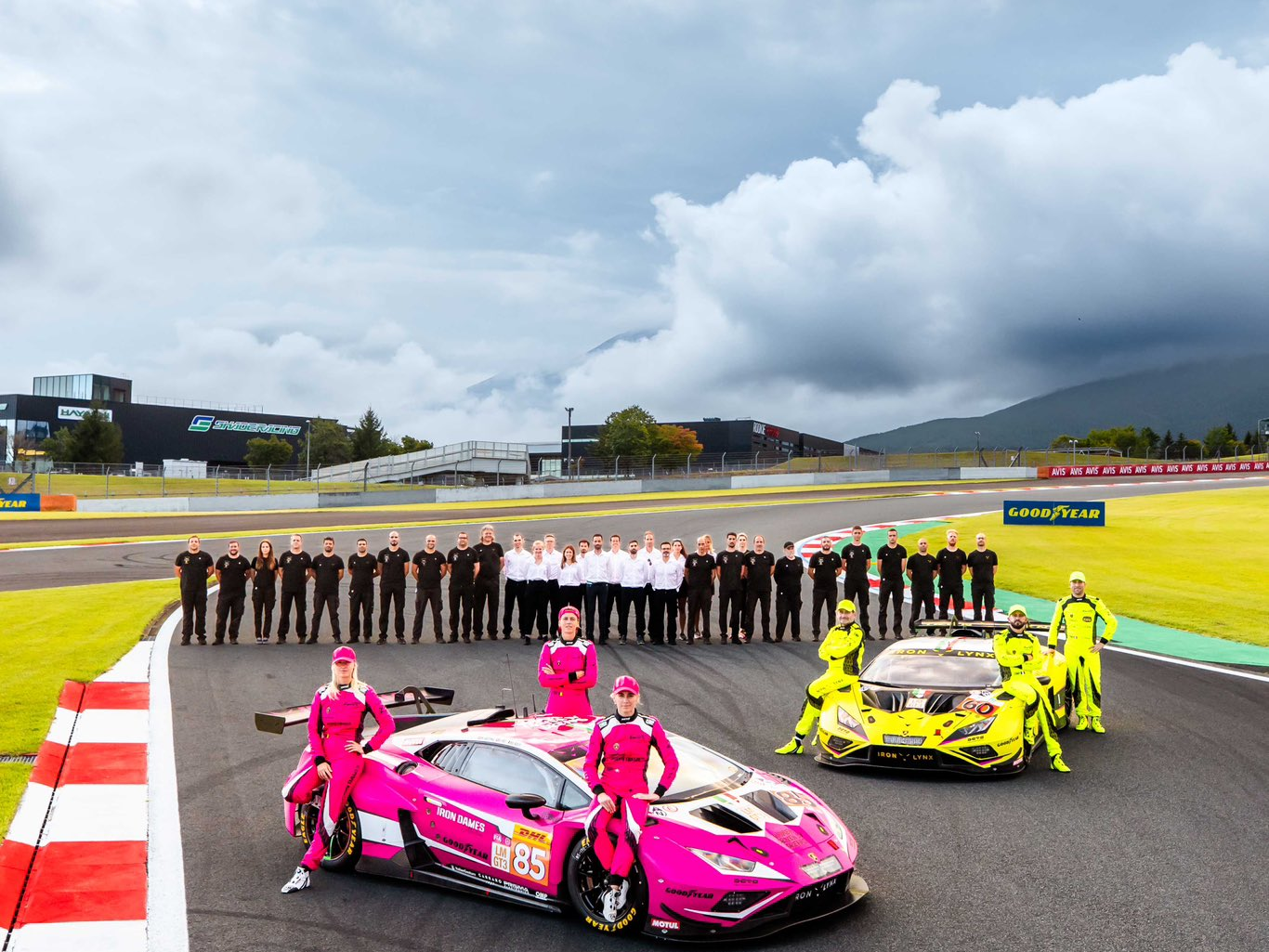
Pre-Season Target: The Dames win multiple races and challenge for the championship while the #60 picks up points here and there and maybe sneaks a podium again.
Actual Performance: The #60 did indeed sneak a podium but none of the rest happened
The Iron Dames’ WEC season may have been one of the most disappointing in all motorsport. There were mixed reasons. The initial BoP made the Lamborghini uncompetitive, as could be shown by Thomas Flohr outqualifying Sarah Bovy for the first time since 2021. Doriane Pin, the driver most at home in the Lamborghini (at least in IMSA) left to concentrate on her single-seater career. They were crashed out of Imola before even crossing the start line and had a mechanical failure running second in Brazil. Finally, much like Ferrari in Hypercar they would have won at Spa had they not been unfortunate with the red flag timing and the restart rules. But ultimately the team and the Lamborghini never really meshed, as in ELMS they continued to impress with the Porsche. Probably this contributed to the Iron Lynx/Lamborghini fallout.
As for the #60, well, even when the car was on a par with the top end of the field, the LMGT3 class was sufficiently strong this year that carrying a driver like Claudio Schiavoni wasn’t really possible. Their two points finishes were mostly cases of good fortune. Schiavoni, who is 64, really ought to retire, but as he shows no signs of doing so likely I’ll be saying this again talking about the Iron Lynx Mercedes team next year.
Average Finishing Position: 9.14 DNFs: 2
Grade: C-
United Autosports (McLaren)
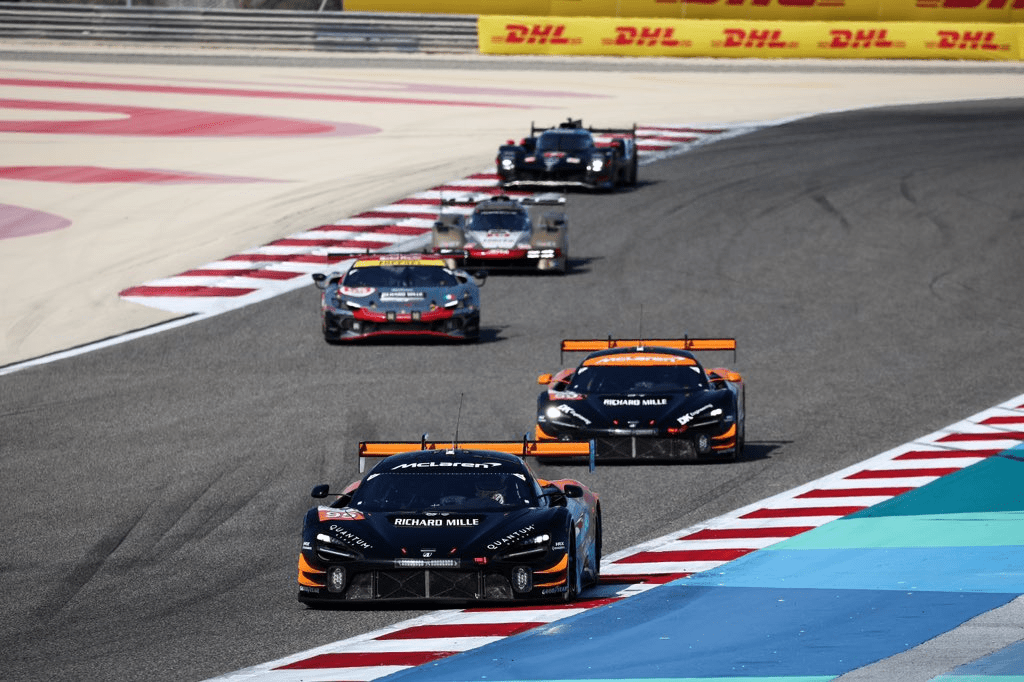
Pre-Season Target: I didn’t set one – the team was considered a complete unknown.
(I did say they’d have a good year if somebody let them race in LMP2, and they did win LMP2 at Le Mans…)
Actual Performance: The season came together somewhat after Le Mans with 7/8 points finishes and a podium in the last four races.
Kind of like the ACO, United spent much of the first half of the year fiddling with torque sensors. In their case though it was to try and stop them breaking in the car. As a result in the first half of the season the cars tended to spend a lot of time in the garage. This sort of problem was more or less expected from a new team finding its feet, and once United got on top of it they progressed rapidly. Results were up and down, with a podium and some lower points finishes, but the pace was solid enough to suggest that next year might bring wins. Still, in the second half of the season the cars tended to qualify better than they raced, indicating that team and drivers still have things to learn about GT racing.
Average Finishing Position: 9.14 DNFs: 2
Grade: C+
TF Sport (Corvette)
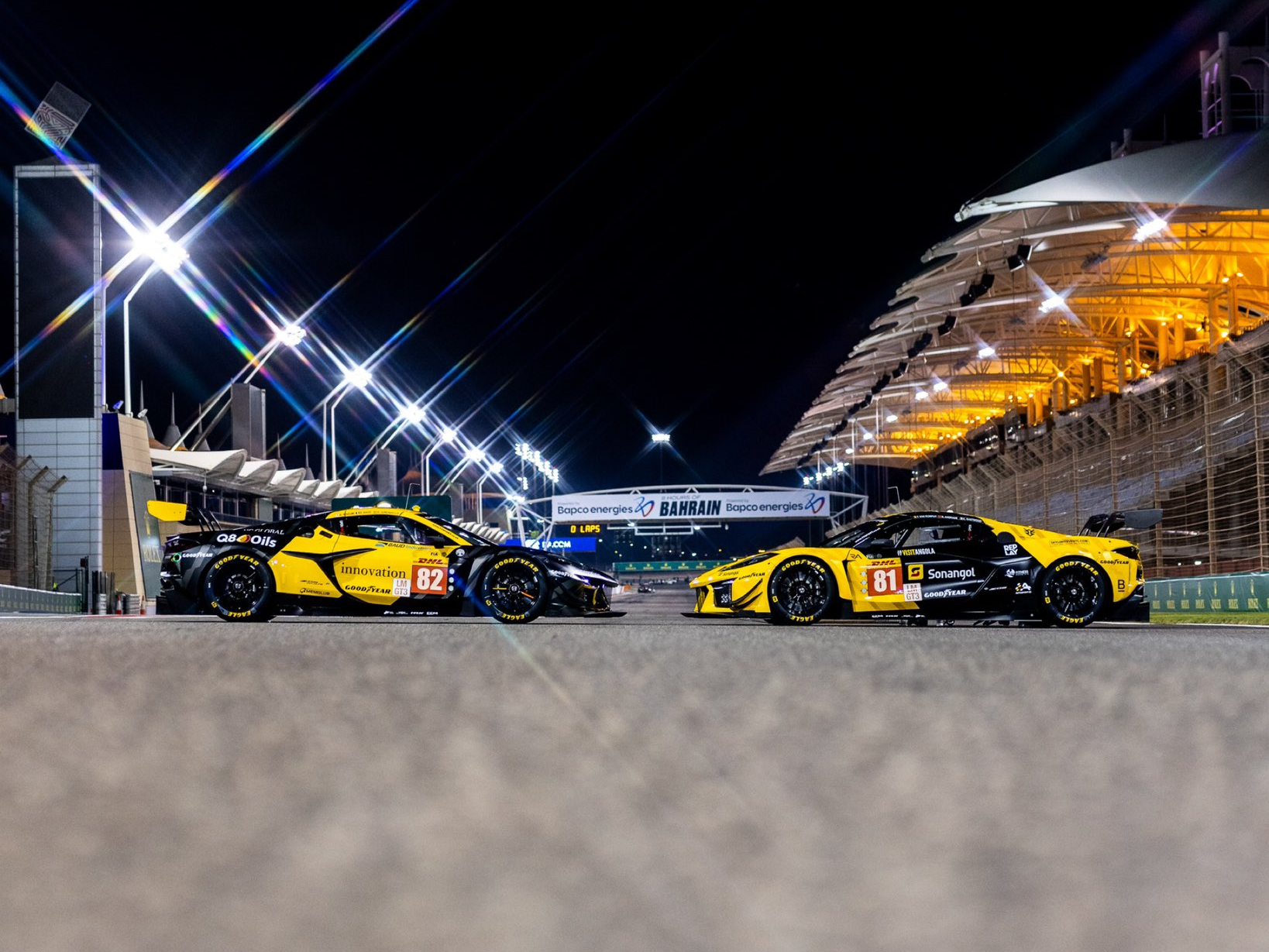
Pre-Season Target: The #81 gets a few podiums and both cars finish in the top half of the table.
Actual Performance: One podium each and both cars finished in the bottom half of the table.
Average Finishing Position: 7.45 DNFs: 5
I said I wasn’t expecting much from a fairly scratch set of crews, and TF Sport delivered. It’s difficult to say to what extent their problems were the car rather than the team or drivers. One point strongly in their favour is that Corvette got one of the bigger breaks in the big rebalance at Austin, following which all of their finishes were in the points. However, I did say “all the finishes” and the Corvettes did have two retirements from these six races, plus three more overall. This is, frankly, too many, and even if the fault was sometimes debatable avoiding being taken out by another car is part of the job too. Additionally, even granting them something of a break due to the state of the BoP pre-Austin, over half the team’s points came from the double podium at Bahrain. That’s not really that great of a place to build for the future from, though the return of Ben Keating for next year may bring more hope.
Grade: C
Proton Competition (Mustang)
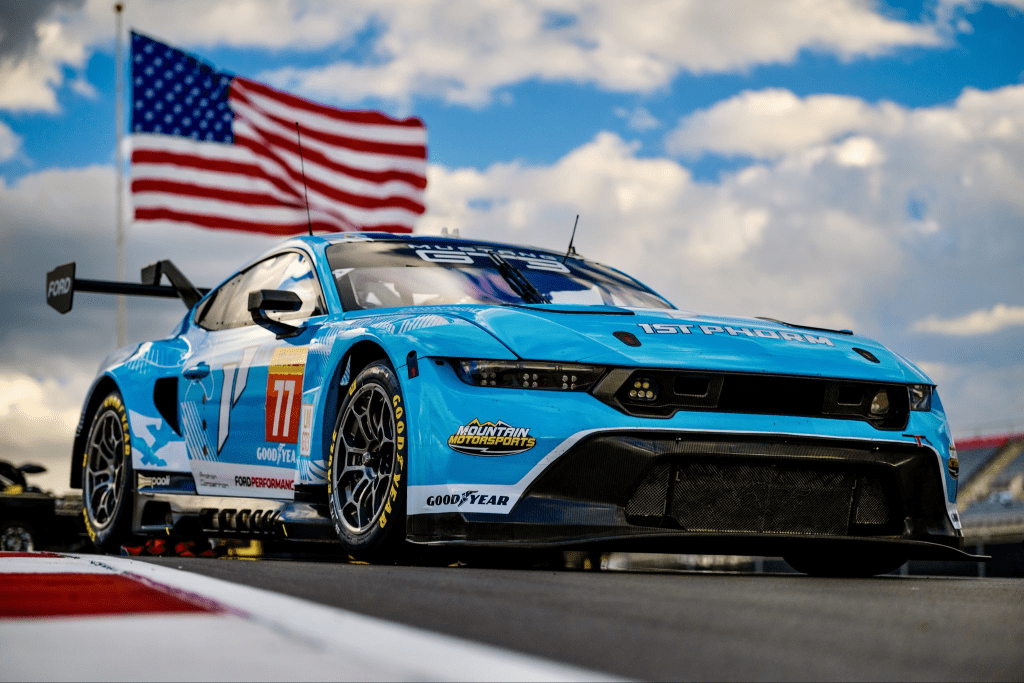
Pre-Season Target: regularly pick up points and finish in the top half.
Actual Performance: Sometimes picked up points and finished in the bottom half, though there was a podium at Le Mans.
Average Finishing Position: 9.91 DNFs: 4
Proton spent most of the year dealing with the inconvenient problem that bits of bodywork tended to fall off the Mustang at the slightest provocation. This isn’t generally a useful feature in a GT3 car, and so it proved for the Fords. Time spent in the pits fixing this problem certainly didn’t help, but generally when that happened the cars weren’t that well placed anyway. The only time a Mustang placed higher than sixth was Le Mans, where they enjoyed an unusually trouble-free run until the #77 car was harpooned by an LMP2. Still this lead to a 3rd/4th for the #88 and a wildcard. But there was little sign this wasn’t a result of an attritional, wet race in the rest of the year – in fact the #88 didn’t score another point thereafter. By the end of the season the problems with bits falling off seemed to have been fixed. Sadly, the car was one of the losers in the Austin BoP shake-up (why? The ACO moves in mysterious ways) and didn’t do that much thereafter.
Grade: C-
Akkodis ASP (Lexus)
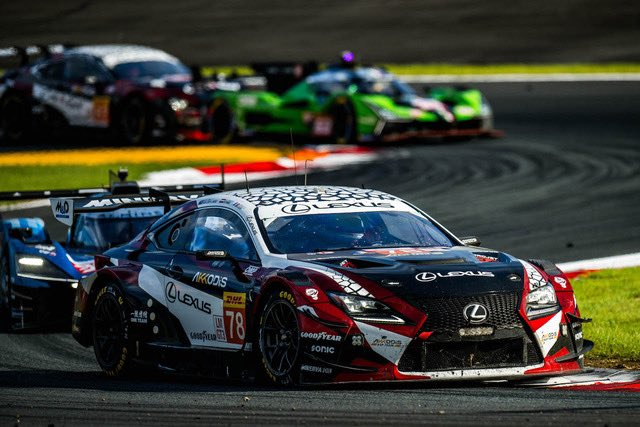
Pre-Season Target: their inexperienced crews come on strong in the second half of the season, building towards a serious challenge with the new Lexus next year. Or if they turn out to have a significant car advantage for much of the season and take advantage.
Actual Performance: They probably had a car disadvantage and managed just four points finishes with no real signs of improvement. Oh and the new Lexus was delayed.
Average Finishing Position: 11.41 DNFs: 3
Easily the most anonymous team of the season were ASP, whose cars combined for four points finishes. The next worst teams by that score were Proton and Iron Lynx who had seven each.
It’s tempting to excuse the team’s performance by noting that the Lexus RC F is a very old car. Indeed team boss Jerome Policand had indicated he’d have preferred to enter with the new car due to be launched in 2026, but doubted there’d be a space in the WEC if he waited. So is it a surprise the placeholder team got placeholder results?
Well, there’s a problem with this cosy excuse, and its name is Vasser Sullivan Racing, multiple IMSA race winners and champions with the same car in 2023. It’s not straightforward to compare the power portion of the LMGT3 BoP with IMSA, but in terms of weight the Lexus generally ran slightly lighter than in GTD.
So while it’s hard to be sure, I generally think ASP probably ought to have done at least a bit better.
Grade: D
Overall
As we’ve discussed the ACO struggled with the Balance of Performance in LMGT3’s first season, not really managing to get much of a handle on things until a big set of changes at Austin. Even then, it doesn’t seem like the Mustangs and Lexuses were in with much of a shout and Ferrari won two out of three races.
Still, that’s not that dissimilar to the situation in Hypercar’s second season last year. For “Porsche” read “Toyota”, of course, but there’s no doubt Hypercar season three had a much better overall balance. So there’s reason for optimism that next year might be more even. Whether that’ll extend to the Mercedes for the first few races, I doubt. Then again, one of them’ll have Claudio Schiavoni in it and there’s no balancing him.
The other issue to blame the ACO for which I sort of skipped over in the Hypercar section is Imola. It was a poor choice of circuit and – even though Monza should be available again – we’re going back. True, it was an excellent race, but only through the weird fluke of persistent rain on half the circuit only. The first four hours before that happened were dull, as the circuit is largely too narrow to overtake on.
Unlike in Hypercar, where I’m prepared to give them significant credit for the fact that the series is happening at all, assembling a competitive GT3 field is not really a great achievement. That said, I do approve of going for as many manufacturers as possible and letting them choose representatives. So for that reason they’re getting a pass grade – just!
ACO Grade: C
 Motorsport Analytics
Leave a comment