Badly, without any attempt to use actual statistics

First season of the new era? Second? Third?
People have been talking about “WEC’s new era” for quite some time now and it’s not entirely obvious where it should be considered to begin – the start of the Hypercar regulations in 2021, the arrival of proper convergence with IMSA in 2023 and the resulting expansion of the Hypercar class, or the replacement of LMGTE with LMGT3 and dropping to a two-class field in 2024. At any rate, the 19-car Hypercar field and the 18-car LMGT3 field both set new records for manufacturer participation and are the largest full-season classes in the current incarnation of the WEC. One of them is significantly harder to predict than the other, mind.
Hypercar
Today’s post will cover the easy one. Hopefully I actually get the hard one out before qualifying…
10 of the 19 Hypercars challenging for the 2024 WEC title were substantially present in the 2023 season, and of those that are newcomers three (the two Jota lineups and the privateer Ferrari) are teams running cars they’ve entered previously but with entirely new sets of drivers. Additionally, we have a decent idea of the pace of the BMW M Hybrid V8s from last year’s IMSA GTP championship; only the Alpines, Lamborghini and Isotta Fraschini are true wildcards. So taking the marques one-by-one:
Toyota

The defending champions have switched paint scheme and headlight layout – apparently the 2023 one created too much glare – but have made no major changes to the car coming into the new season. While the #8 won the championship last year, courtesy of an unfortunate accident at Le Mans which was very much not Kamui Kobayashi’s fault and slightly better overall reliability, the #7 was the faster car and starts favourite this year, especially since they’ve strengthened slightly by replacing Jose Maria Lopez, usually the slowest of the trio, with Nyck de Vries who has been consistently impressive in his endurance starts, and ought to be up to speed straight away given he’s had much longer to get used to his car than the four days he had before his sub appearance at Le Mans in 2022. Overall Toyota remain strong favourites for the title, even if they’ve been slightly pegged back by the new Balance of Performance (BoP) table for Qatar – an extra nine kilos and 4 fewer kW won’t affect their advantages in tyre preservation, driver experience and team preparedness.
Toyota will have had a good season if: they win a majority of races and defend the World Championship
Ferrari

The Le Mans winners return with an unchanged lineup for their works cars which are also substantially the same design as last year. The biggest change for AF Corse is the addition of a third hypercar (running fairly close to an inversion of the red/yellow livery above), running as a privateer entry for Ye Yifei and Roberts Schwartzman and Kubica. Toyota have previously been reluctant to add a third car for fear of spreading resources too thinly; we’ll have to see if it affects AF Corse though they aren’t running more cars overall having dropped from 3 to 2 GTs. A slightly more beneficial BoP at Qatar will give Ferrari hope they can challenge Toyota more effectively than they managed in the closing races of last year which were mostly walkovers, but overall they’re still second favourite. Looking at the cars the #50 was generally quicker than the Le Mans-winning #51, but the history of the #7 and #8 at Toyota suggests that could easily reverse. The privateer #83 is likely to take some time to get up to speed and is probably more likely to be a midfield runner than a threat to Toyota and the works cars.
Ferrari will have had a good season if: they mount a serious championship challenge, beating Toyota repeatedly and not just as a one-off
Porsche
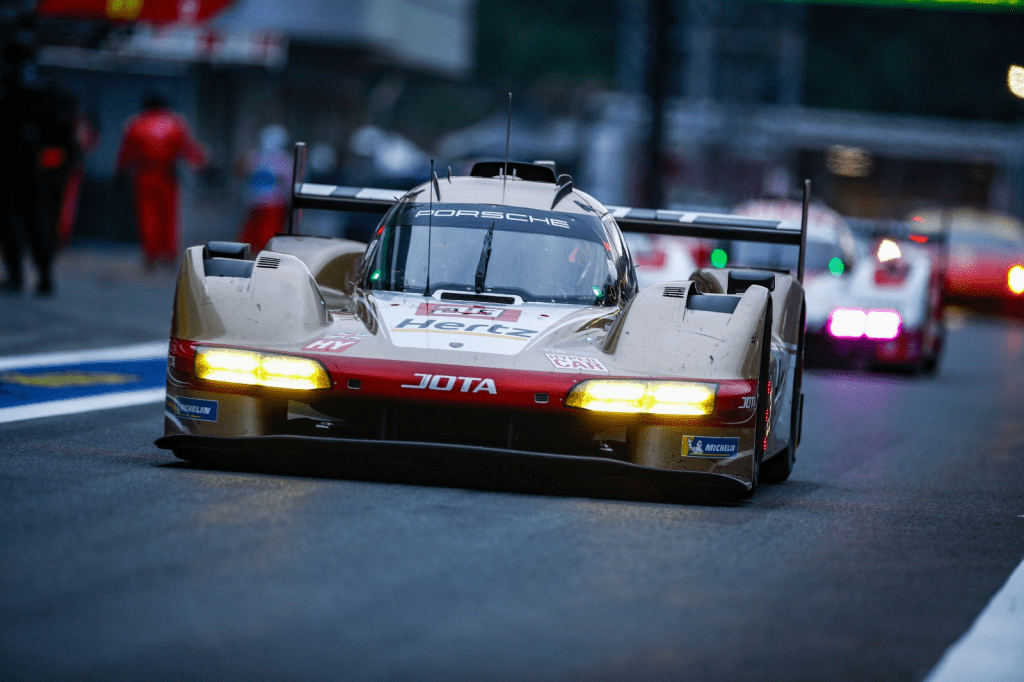
Privateers are as much a part of Porsche’s history in sportscars as the works squad has been of course, and true to form there’s five 963s on the grid for this season – the two works Penske cars, two of the gold Jota cars (as pictured above) and a single Proton (running a red-and-white F.A.T, livery that’s going to look a lot like the Penskes when it’s in the background of shots). Mechanically, Porsche have done a decent amount of mechanical work on the car in the off-season. They presented this as being reliability-focused (which was certainly a concern last year, though more in IMSA than WEC), but in endurance racing reliability gains are performance gains, since they mean you can push the car harder for longer. Certainly it looked that way at Daytona, where Porsche won and also finished 4th. 5th and 6th. They received a somewhat unfavourable BoP shift at Qatar, but on the other hand the car still has the third-highest power-to-weight ratio overall (and it’s very similar to the second-highest Cadillac)
Penske
The works squad have shuffled the deck slightly in terms of drivers, replacing Dane Cameron with Matt Campbell in the #5 (and vice versa in the IMSA GTP class…) while standing pat in the #6. Overall it was the #6 that was much the stronger car last year though, frequently fighting with the Ferraris over the final podium slot. There’s no particular reason to expect Campbell (who was also in the losing end of the internal Penske scrap in IMSA last year) to change that.
Penske will have had a good season if: Penske’s main shot at glory is probably the IMSA championship. A win would be the goal but regular podium visits are probably more likely.
Jota
By the end of last year Jota’s single #38 entry was easily a match for the works cars, but with the expansion to a second car (the #12, in honour of sponsor Tom Brady) and the loss of drivers Antonio Felix da Costa and Ye Yifei it seems likely they’ll have lost a bit of ground over the off-season. The new lineups look strong, with the #12 probably having the edge with Will Stevens returning and Norman Nato bringing significant prototype experience to pair with Callum Ilott’s undoubted talent (and we’ve seen IndyCar drivers perform well in prototypes many times in IMSA). The #38’s a bit harder to predict, not least because while 30 is a good average age for a car, it’s not usually done through drivers aged 44, 23 and 24! Still, Jenson Button was just fine in his run to third at Daytona, and Hanson’s been excellent in LMP2 for several years at United. Rasmussen’s returns in that class have been more mixed, but we might reasonably expect a step up from both younger drivers as they’re unlikely to have peaked yet.
Jota will have had a good season if: The target has to be “beat Penske”, doesn’t it? I don’t think they will, but it’ll be a close fight. They should win the Hypercar teams cup easily, though probably not quite so easily as last year.
Proton
The late delivery of Proton’s 963 last year seems to have left them playing a lot of catch-up, and they never appeared close to Jota last year, nor did they seem on Penske’s pace at Daytona (though they did manage to finish on the lead lap, somewhat helped by the high general level of chaos causing a lot of cautions). Still, Andlauer, Jani and Tincknell is a strong driver line-up, and you’d expect them to catch up with Penske and Jota mechanically over the season. Having only a single car is an obvious disadvantage compared to their rivals, however.
Proton will have had a good season if: they manage a couple of podium visits, particularly if one of them is at Le Mans.
Cadillac
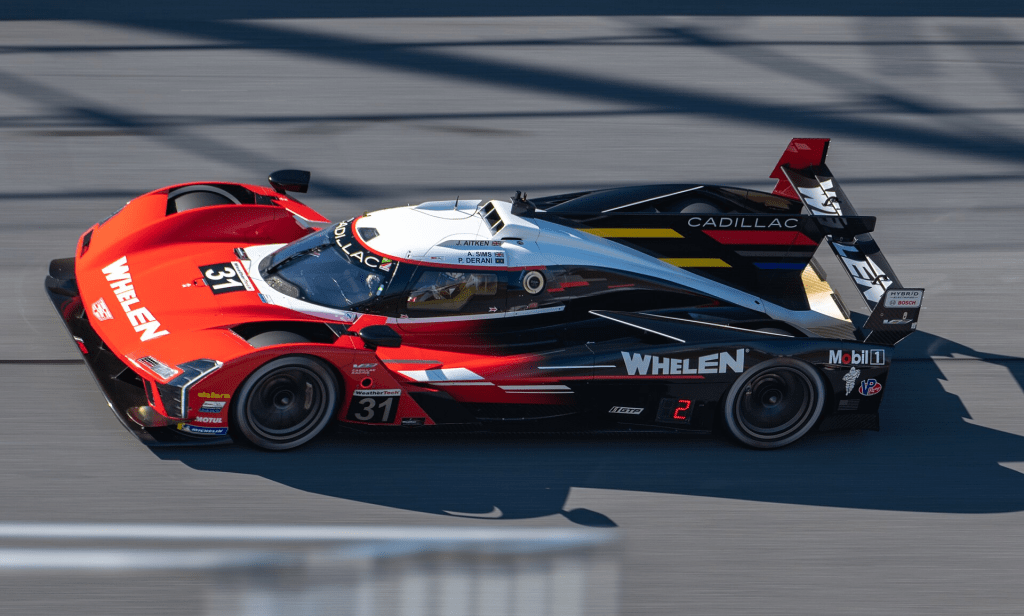
The Chip Ganassi-run Cadillac faded badly after Le Mans last year, scoring just two points in the last three races. It’s hard to blame that on Balance of Performance since the Cadillacs also did the same thing in IMSA to some extent, though they did manage to hold on to the title there and did pick up a podium in the final race of the year. It’s probably more a reflection of gains made by other teams rather than Cadillac going backwards, but this definitely represents a concern going forward. They’ve gained a bit in the Qatar BoP adjustment, with the second-best power-to-weight ratio behind Peugeot. They’ve replaced Richard Westbrook in the car with Sebastian Bourdais – probably a slight upgrade – and gone with a rotating third driver, but the drivers weren’t the problem last year so it’s unlikely to make much difference. Add in the disadvantage of running a single car and a DNF at Daytona and there’s no real reason to expect much from Cadillac.
Cadillac will have had a good season if: They pull out of their late-2023 funk and run regularly in the top 5. Don’t see it happening personally…
Peugeot
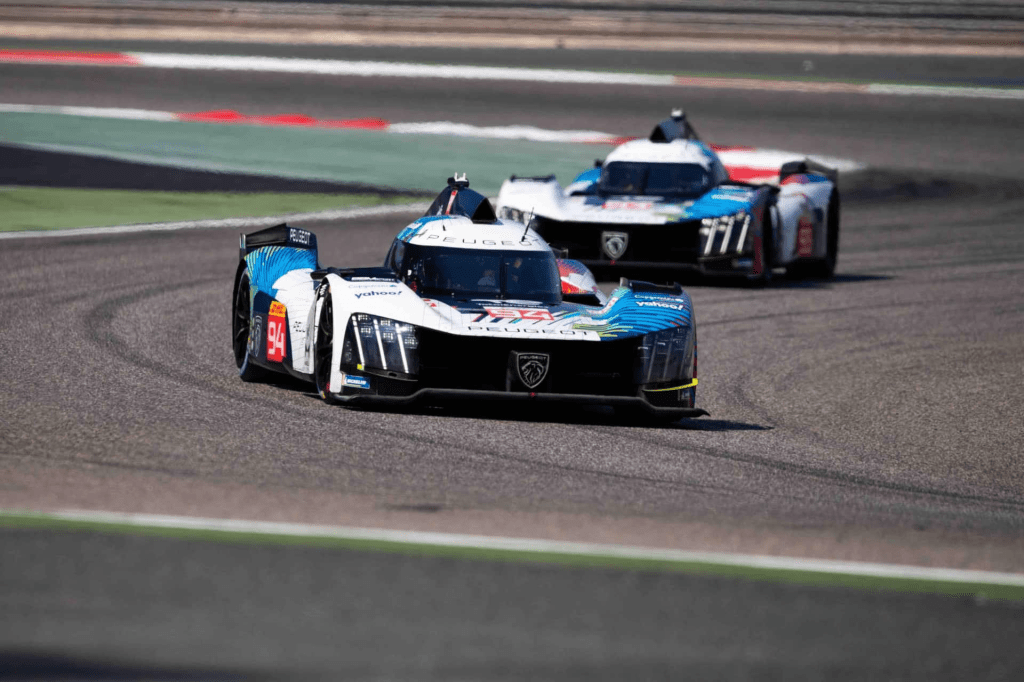
Last year in these predictions I called Peugeot the dark horse. That didn’t turn out well, as a slew of gearbox issues delayed the car in the early rounds and once the team got on top of those (eventually resorting to completely replacing the original design) it was apparent that the ground-effect concept of the 9X8’s aerodynamics didn’t work anywhere near as well on a circuit as it did in the wind tunnel. Other than leading through the rain at Le Mans (and being outclassed once it stopped), the Wingless Wonder was…well, weak.
To their credit, Peugeot admitted it. The 9X8’s aerodynamics were redeveloped over the off-season with a rear wing being added, though homologation isn’t quite finished in time for Qatar so the 2023 version of the car will run there. Drivers-wise, they’ve replaced Gustavo Menezes with Stoffel Vandoorne, and shuffled the pack a bit with Nico Muller now partnering Mikkel Jensen and Jean-Eric Vergne in the 93, and Paul di Resta moving over to join Vandoorne and Loic Duval in the 94. This is supposed to bring some gains in terms of setup but it’s unlikely to be major. The BoP table for Qatar has the Peugeot at the series’ minimum weight and maximum power, and the relatively smooth track may suit the car’s aerodynamics, but even so it’s unlikely to run strongly with Peugeot focusing on the new design. Once that arrives at Imola, it may be a different story…but we’ve heard that from Peugeot before.
Peugeot will have had a good season if: The new aero concept works and they can run in the front pack, getting top 5s and podiums by the end of the year. A strong performance at Le Mans would also be useful, in “avoiding Stellantis cancelling the program” terms.
BMW
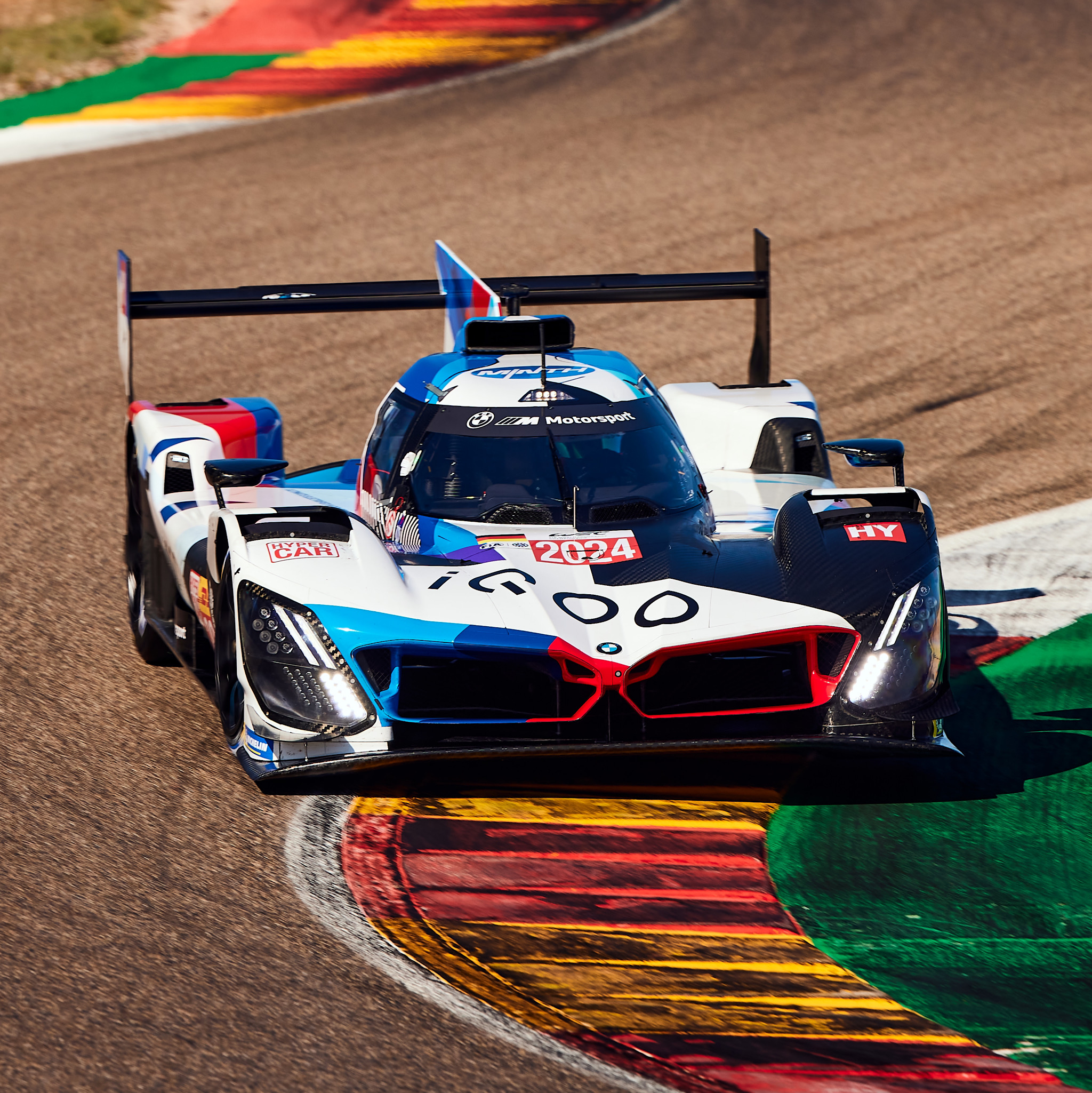
BMW’s the newcomer we know the most about, since they raced in IMSA last year. Unfortunately, what we know about them is that they mostly weren’t on pace with the Porsches and Cadillacs, finishing sixth and eighth, only winning one race and that courtesy of a disqualification for the winner on track. Despite this they’ve recieved a less favourable power-to-weight ratio in the BoP table than the teams that beat them in IMSA last year. To be fair, WRT have lined up a more impressive set of drivers than RLL did (and they also have arguably a better pedigree as a team overall), though it’s somewhat light on recent prototype experience – they’ll be relying somewhat on Robin Frijns and Rene Rast in the early stages of the championship. Still, if the ACO are right the problem was not the car, the potential is definitely there.
BMW will have had a good season if: They’re competitive with the other LMDh cars on a more than occasional basis. Toyota and Ferrari are likely beyond them.
Alpine
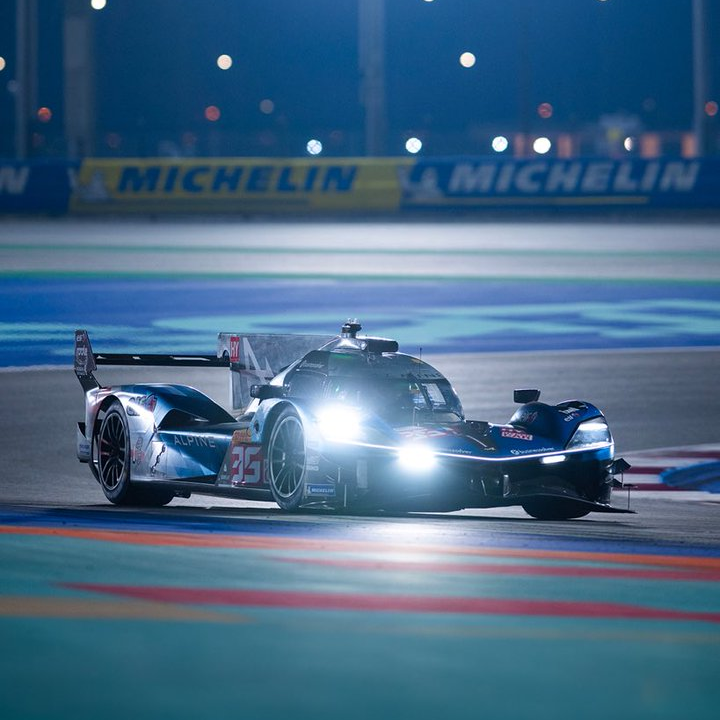
Of the three cars entirely new to racing this year, Alpine has probably given us the most reason for optimism. The car has had an untroubled test and launch schedule, they’ve got two entries in the championship, Signatech have plenty of experience running in the top category and all of the drivers except Mick Schumacher have recent prototype experience. Mick should be fine too, since the recent history of drivers coming from F1 to WEC is fairly positive (though to be fair Nico Hulkenberg and Fernando Alonso had better and enormously better F1 records respectively).
There are some downsides, though. Firstly, the engine they’re using is based on a Mechachrome design which is famous for exploding. Alpine have insisted the engine will be reliable but given their F1 engines are also a bit boom-prone it’s definitely a concern. Secondly, Alpine’s lack of experience with the car in race conditions is likely to be a problem. We saw Toyota take a big step forward in their second season with the GR 010 and Ferrari clearly seemed weaker last year when we came to tracks they’d not tested at. For that reason I’m not expecting that much from Alpine this year but they should close in as the season goes on.
Alpine will have had a good year if: the car runs reliably and doesn’t blow up; they’re in contention for podiums by the end of the season
Isotta Fraschini
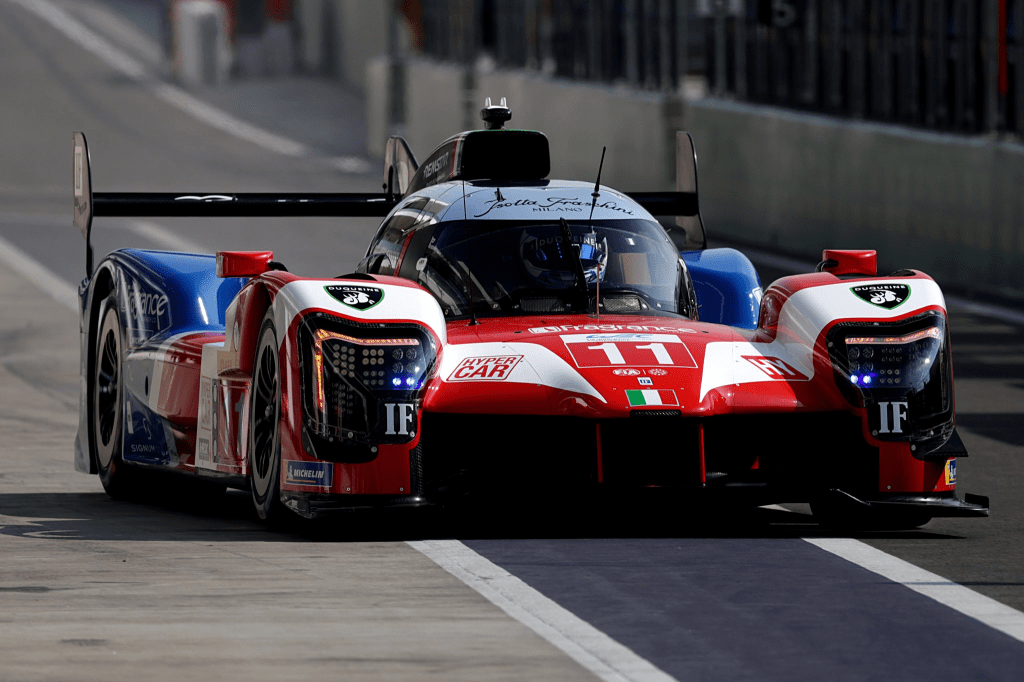
While there’s always a good deal of romantic attachment to small prototype entries such as the Isotta Fraschini, IFM have given us very few actual reasons to believe. The cars were originally going to be run by Vector Sport (who have experience running prototypes in WEC) but they switched, somewhat acrimoniously, to Duqueine (who don’t), only a couple of months before the season started. Duqueine have ended up changing their driver lineup for sponsorship reasons, which is fair enough in one sense but does suggest a tight budget in another sense. The drivers they’ve ended up with are very inexperienced, with two drivers having only a few races in LMP3s, and even the “experienced” Jean-Karl Vernay last raced in WEC a decade ago.
On top of that, they’ve only got one car, so they’ll accumulate experience more slowly than a two-car team would, and they were over a second off the next slowest in the one day of testing that’s happened so far (which is fairly meaningless, but you’d probably prefer not to be). They’ve said the primary goal at Qatar was just to finish (though they also said that if they do, they wouldn’t be last).
But hey, nobody’s sued them for calling themselves “Isotta Fraschini” yet, so that’s something.
Isotta Fraschini will have had a good year if: They actually don’t come last.
Lamborghini
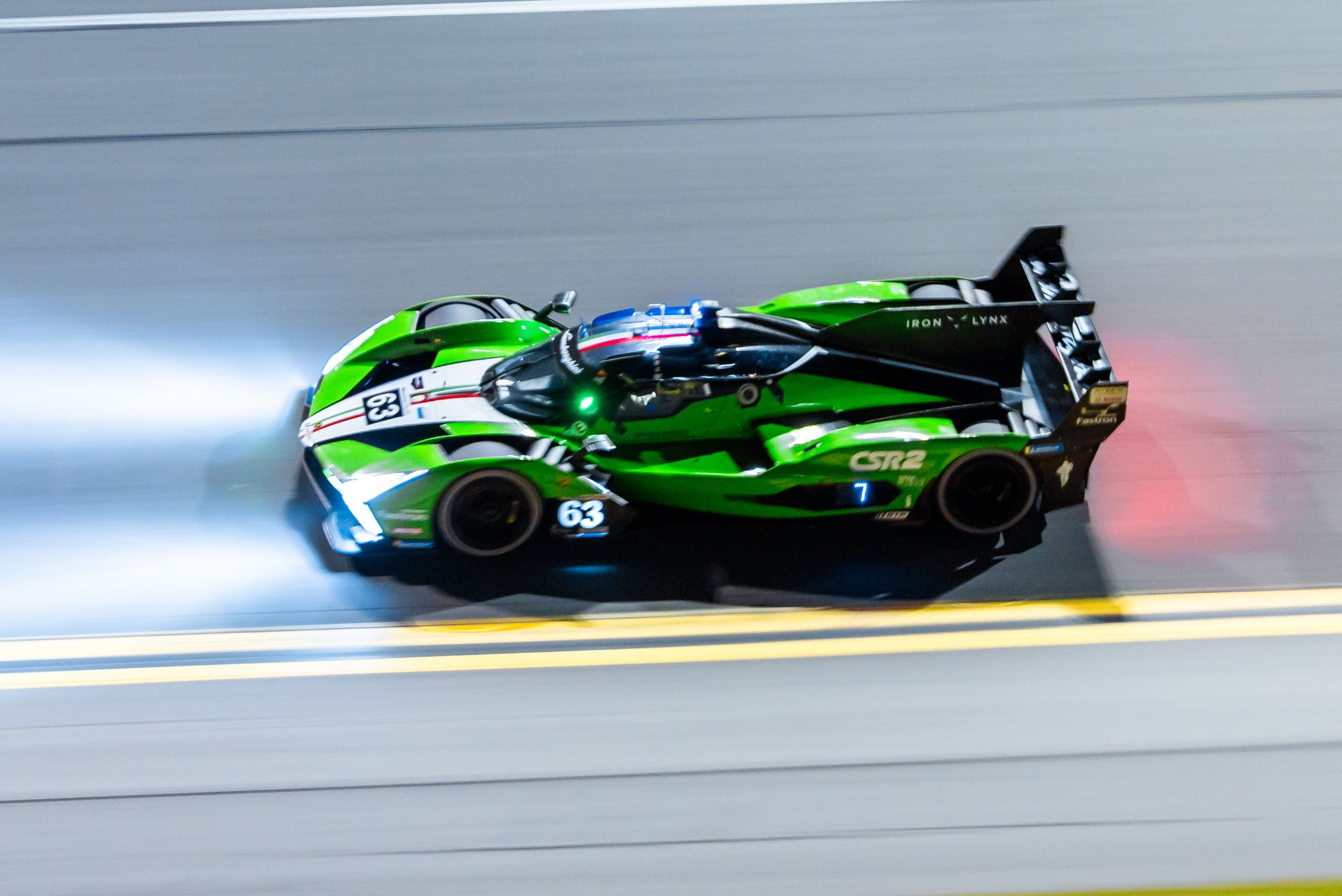
The SC63 has had a troubled development, with a crash in testing and flooding in Northern Italy both delaying progress on the car. It’s not clear whether the car would have been able to race at Daytona absent those difficulties, but it can’t possibly have helped. Still, the car did seem competitive in testing at Daytona (insofar as can be determined from testing) and Lamborghini have managed to have a car ready for the rest of the IMSA season and another one for WEC. This probably won’t be as helpful for development as Alpine’s two WEC entries (at least as far as WEC’s concerned, it’s probably a lot more helpful for IMSA, and unlike Alpine Lamborghini actually sell cars in the US) but it’s definitely better than just having one.
The driver lineup is a bit up-and-down – Bortolotti looked strong in his (LMP2) WEC debut last year, but Kvyat did not particularly impress, and Mortara had a shocker of a season in Formula E (though in large part it must be said the shock was in relation to his previous title-contending efforts). The “dry-run” LMP2 campaign also raises worries about the acumen of the Iron Lynx/Prema squad backing the car up as it did suffer from strategy mistakes and penalties – but again, it’s better than not having had that experience. It’s entirely possible that the #63 is in for another rollercoaster season in its new category…
Lamborghini will have had a good season if: They grab a few podium finishes and finish in the top half of the championship
Make An Actual Prediction You Wimp
Yeah, OK, fine. Best-guess manufacturers’ championship order:
- Toyota
- Ferrari
- Porsche
- Peugeot
- Cadillac
- Lamborghini
- Alpine
- BMW
- Isotta Fraschini
 Motorsport Analytics
Leave a reply to Report Cards for the 2024 World Endurance Championship (Hypercar) – Motorsport Analytics Cancel reply