After eight races the 2024 World Endurance Championship is now in the books. Toyota took the Manufacturers’ title and Porsche won basically everything else. Before the start of the season, I wrote a preview with an expectation for each team, whether Hypercar or LMGT3. I thought it might be interesting to see how each team did compared to those expectations. Just like those articles I’ll do this as a two-parter, this one about Hypercar and the next about LMGT3.
The Returners
Toyota
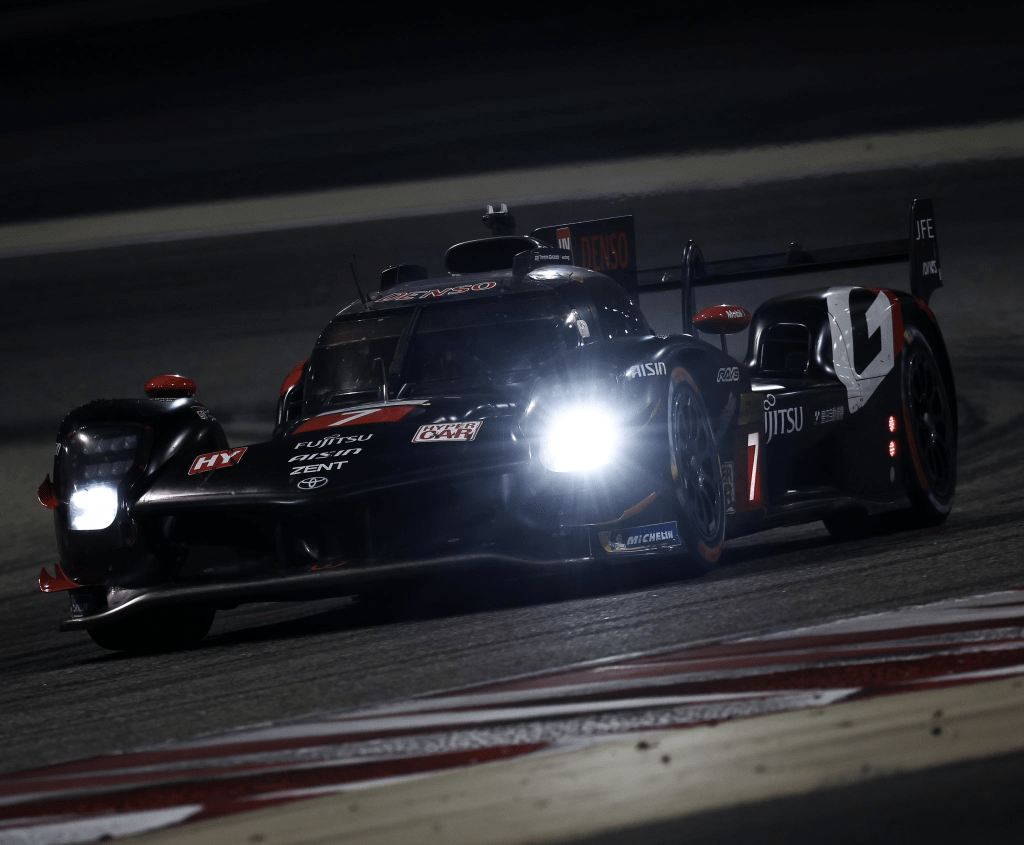
Pre-season target: win a majority of races and defend the World Championship
Actual Performance : won either 3 or 4/8 races depending how you count and defended the Manufacturers’ Championship
Average Finishing Position: 5.14 DNFs: 2 (both #7)
Grade: B-
In many ways a B- is a generous grade for Toyota, whose wounds this year were mostly self-inflicted. Poor reliability, strategic errors and driving mistakes cost them race wins at Le Mans and Austin (except in manufacturers’ championship land where they won Austin anyway because the #83 Ferrari doesn’t count), a podium finish in Fuji, and in all likelihood the drivers’ title for the #7.
On the other hand that car did seem to have the strongest pace provided it hadn’t crashed or broken down. They heisted a win the car’s pace did not really merit through strategy and excellent driving at Imola. Furthermore, they can’t be blamed for an overly aggressive BoP making the car uncompetitive at Qatar and Spa. Still, the highlights seemed less common than the mistakes.
The GR 010 Hybrid remains the fastest car despite the Balance of Performance tables generally giving it the most weight and the least power. But their mechanical advantage has clawed back by the BoP and rivals now have a greater understanding of their cars. This means Toyota can no longer afford the litany of mistakes and mechanical failures that characterised 2024.
Ferrari

Pre-season target: mount a serious championship challenge, beating Toyota repeatedly and not just as a one-off
Actual Performance : in practice Toyota’s main rivals were Porsche, though they did sort of win two races which is almost repeated?
Average Finishing Position: 6.28/6.67 (not incl/incl #83) DNFs: 2/3 (2 for #51, 1 for #83)
Grade: B-
Much like Toyota, Ferrari’s season was somewhat disappointing. To be sure, the car was generally competitive, and they won (in the sense of first car to cross the line) in Le Mans and Austin. They can count themselves unfortunate to be denied by the timing of the red flag and WEC’s restart rules at Spa. On the other hand, they were extremely fortunate at Le Mans and somewhat fortunate at Austin that Toyota failed to close out either race. But ultimately instead of challenging Toyota they had clearly slipped behind Porsche in overall pace. Still, they won Le Mans, which for some people makes the season a success despite anything else. I’ll admit that I put a lower weight on Le Mans than basically everyone else does, hence the lower grade.
Penske Porsche

Pre-season target: win a race and get regular podium visits
Actual Performance : 2 (or 3, if you don’t count privateers) wins and the drivers’ championship
Average Finishing Position: 3.71 DNFs: 2 (both for #5)
Grade: A+
Penske had a fantastic season, with their cars winning the drivers’ title in both WEC and IMSA and only just falling short of Toyota in the Manufacturers’. To some extent, rivals can point to favourable Balance of Performance (particularly at Qatar, where the ACO seemed to ignore that Porsche had used a joker), but overall the Penske teams can reasonably claim to have maximised their available points. Each car only really had one off weekend – Spa for the #5 (where it crashed at Blanchimont and broke the suspension) and Bahrain for the #6 (where it was off the pace all weekend).
Jota Porsche

Pre-season target: beat Penske, win the Hypercar Teams Cup
Actual Performance : 1-2 in the Teams Cup, only beat Penske once.
Average Finishing Position: 8.54 DNFs: 3 (1 for #12, 2 for #37)
It’s not entirely fair to hold Jota’s failure to beat Penske against them given how good Penske were, and they did easily win the Teams Cup. But given the strength of the Porsches and that they were somewhat fortunate to pick up a win at Spa due to red flag timing, it didn’t really feel like a season where Jota made much of an impact. They even had a lower average finishing position than last year (though that’s to some extent just because with more Hypercars you can now achieve lower positions). Still they did better than…
Grade: C+
Proton Porsche
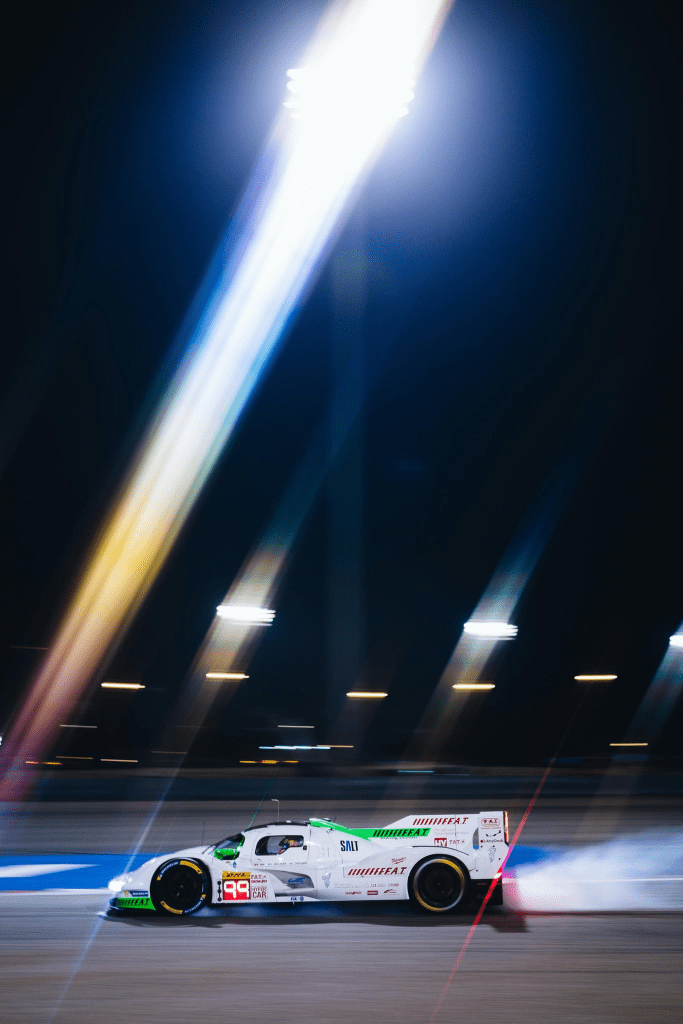
Pre-season target: get on the podium more than once, ideally at Le Mans
Actual Performance : best finish was fifth, last in the Hypercar Teams Cup
Average Finishing Position: 11 DNFs: 1
It was often easy to forget that Proton were even present in races, and even the fifth they managed was at Spa which as previously discussed had a slightly odd finishing order and two generally faster Porsches retiring. Only on two occasions did they beat another Porsche that actually finished the race and neither of those were points finishes. With Jota moving to Cadillac next year they’ll be the sole privateer Porsche and it’ll be interesting to see if that helps them at all, as this season didn’t really achieve anything.
Grade: D+
Cadillac

Pre-season target: run regularly in the top 5
Actual Performance : Best finish of fourth (third not counting privateers), tended to fade during races
Average Finishing Position: 8 DNFs: 2, plus a DSQ
Technically Cadillac did run towards the front a fair amount this season, but it all tended to be in the first couple of hours and then the car would fade away. Cadillac have been something of an enigma in WEC, never coming all that close to replicating their IMSA success despite a BoP that generally has them around 30 kilos lighter. Still performance did seem to improve somewhat towards the end of the season (possibly due to changing tyre strategies), though it probably doesn’t help too much if Ganassi were finally beginning to get on top of things here before handing over to Jota. Next season with two cars and a new team provides a fresh start and potentially more competitiveness.
Grade: C
Peugeot
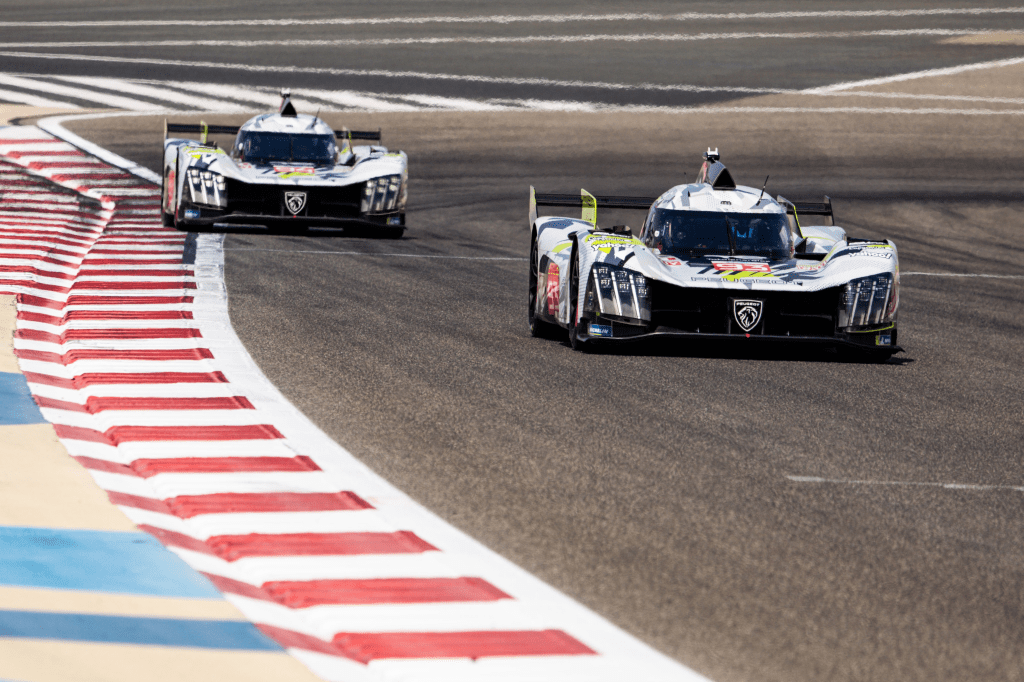
Pre-season target: The new aero concept works and they can run in the front pack, getting top 5s and podiums by the end of the year.
Actual Performance : they did finish 4th in Fuji and 3rd in Bahrain, though there was a degree of fortune associated with those results
Average Finishing Position: 10.5 DNFs: 2 (for the #94), plus a DSQ (for the #93)
A C grade is arguably generous for Peugeot, whose most competitive run was probably the season opener with the old wingless 9X8. A naive examination of the results might suggest that Peugeot took time to get on top of their new car and, having managed this, were a podium contender by the end of the year. This ignores the influence of the changing balance of performance, which benefitted the old car, penalised the newer one, and gradually worked its way back to the old state over the year – once it had done so, the car was competitive again. In fact, if you credit the team with the second place they would have got in Qatar had the fuel rig not malfunctioned, the season has a symmetry to it:
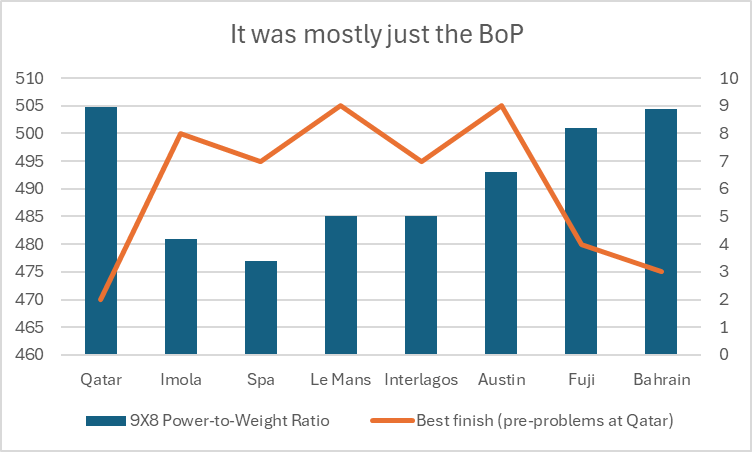
This suggests that Peugeot’s complete rework of the 9X8’s aerodynamics has, at best, improved on bumpy tracks while peak performance on flat circuits is where it was at the start of the year. Another concern has to be the performance of the #94, which managed only a single points finish – the #93 had so five (six counting the DSQ in Qatar). Not really what Stellantis were looking for, I feel.
Grade: C
The Newbies
Alpine
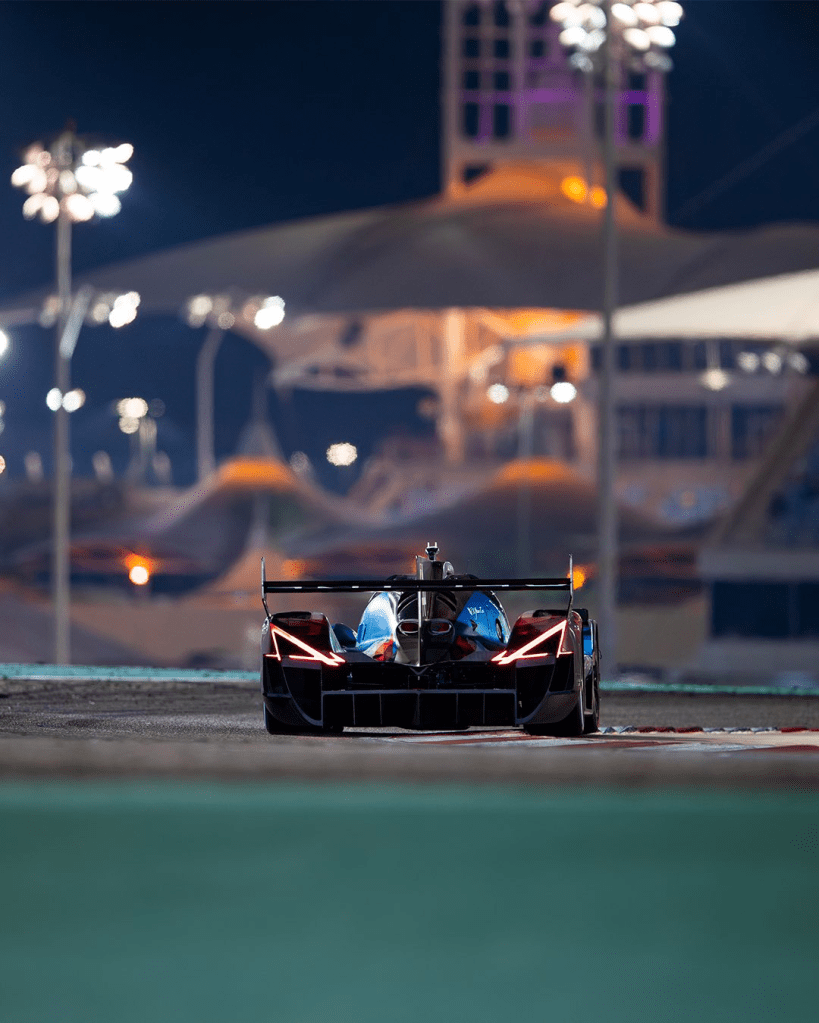
Pre-season target: The car runs reliably and doesn’t blow up; they’re in contention for podiums by the end of the season
Actual Performance : Well, it blew up at Le Mans. But they did manage a podium at Fuji and 4th in Bahrain
Average Finishing Position: 9.07 DNFs: 2 (one for each car)
Grade: B+
Of the three newly homologated Hypercars in WEC this year (ie, not counting BMW who raced in IMSA last year), Alpine were very clearly the best. They managed points finishes everywhere but in the rain at Imola and with the much-celebrated double DNF at Le Mans. There the Mechachrome-derived engine did the thing Mechachrome engines have become justly famous for in Formula 2 and blew up. Alpine later said they knew reliability was likely to be an issue, but that doesn’t really distinguish them from everyone else who raised an eyebrow at the A424’s engine choice. When it wasn’t blowing up, the engine must have been doing something right, since the car was regularly amongst the fastest through the speed traps. This helped to propel it from unpromising qualifying positions to its impressive non-Le Mans finishing record and fourth in the manufacturers’ championship. If the reliability issues have been addressed, that could prove potent at Le Mans next year.
BMW
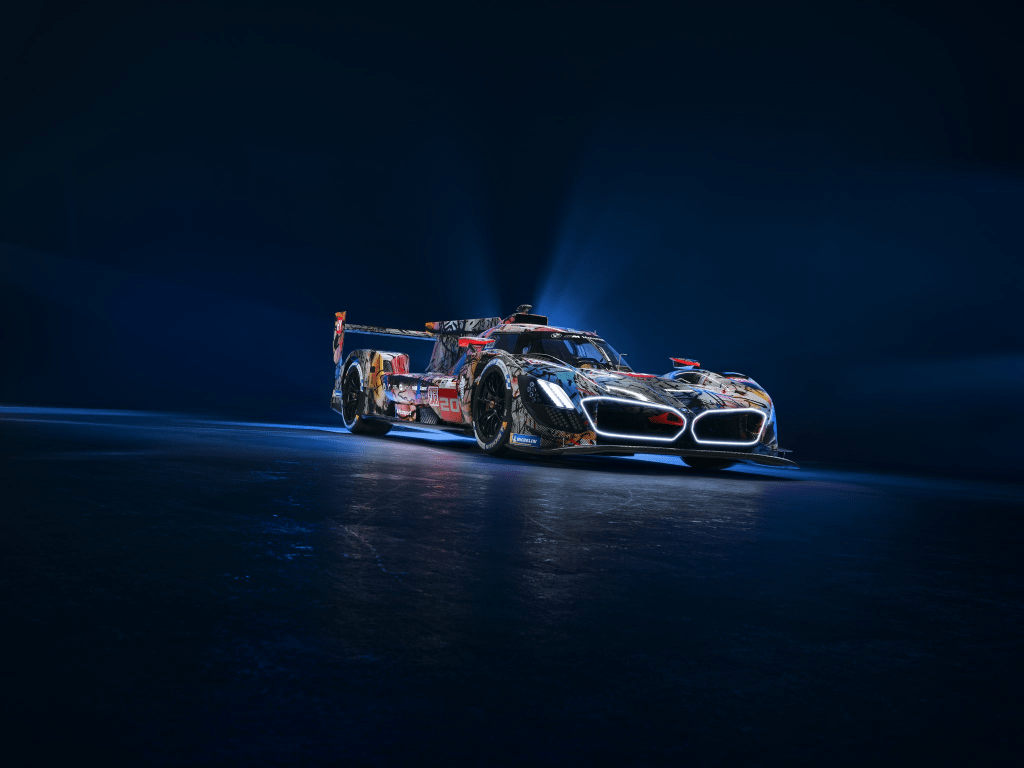
Pre-season target: They’re competitive with the other LMDh cars on a regular basis
Actual Performance : They finished ahead of two and behind two; one podium visit. Improved strongly in the second half of the year.
Average Finishing Position: 9.55 DNFs: 4 (3 for the #20, 1 for the #15), plus a DSQ (for the #15)
Given that BMW didn’t run in WEC last year and weren’t all that great in IMSA, the WRT squad put in a creditable performance. This is particularly so given their results in IMSA did not really get all that much better. While the podium was something of a fluke assisted by Kamui Kobayashi having a bit of a rush of blood to the head, the overall performance was reasonable. However, their grade drops due to the number of non-finishes, due to a mixture of crashes and mechanical gremlins. Not every incident was the fault of the drivers, but in endurance racing avoiding getting caught up in crashes is part of a driver’s skillset. Had they achieved more finishes, quite likely BMW would have beaten Alpine out for fourth overall in the manufacturer’s table and also the title of best newcomer. When the cars were running, they had enough pace – particularly in the second half of the year – to suggest better things may be coming now that WRT have a handle on the car.
Grade: B-
Isotta Fraschini

Pre-season target: Don’t finish last
Actual Performance : They didn’t even finish the season. When they dropped out, they were last.
Average Finishing Position: 15 DNFs: 2, but, um, DNSs: 3
Oh dear. They last minute switch from Vector to Duqueine and the driver lineup raised questions as to whether Isotta Fraschini really had the funding for a proper tilt at WEC, and as it turned out they didn’t. The car wasn’t particularly fast or particularly reliable, though of the two the performance was probably the better, given that the drivers would almost certainly have been some way off the back of the Hypercar field even in equal machinery. And then the money ran out. There was probably some potential here, but we’re unlikely to see anything come of it.
Grade: F
Lamborghini
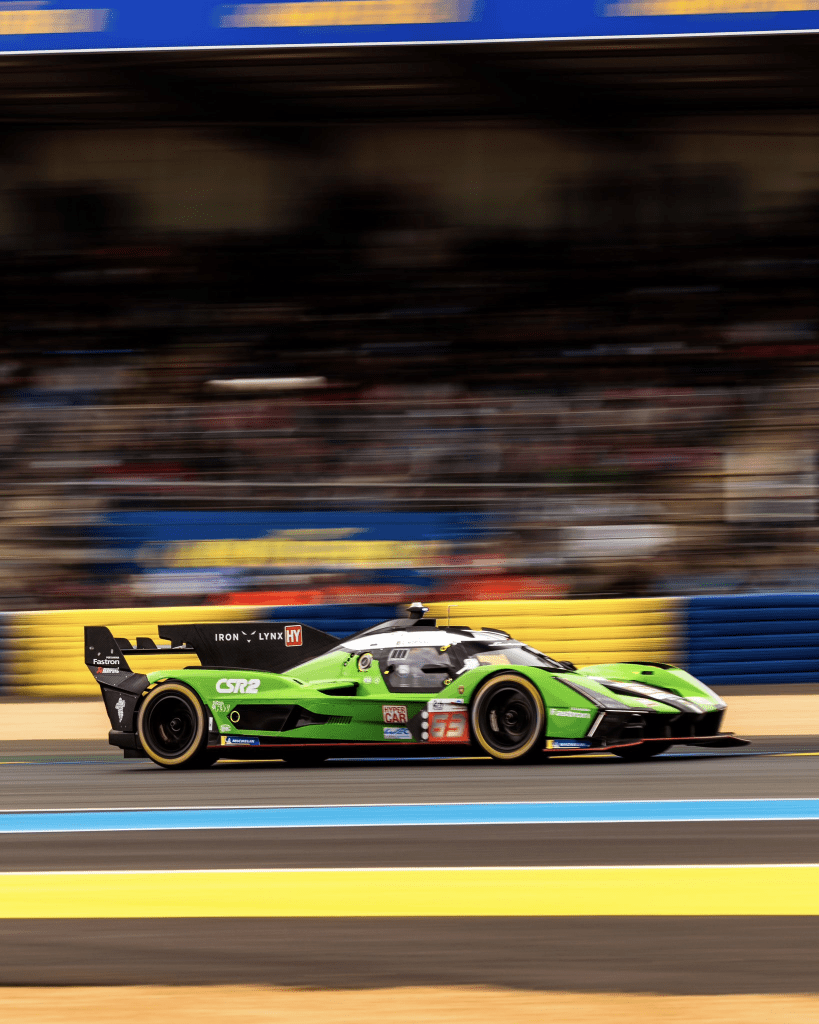
Pre-season target: Grab a few podium finishes and finish in the top half of the championship
Actual Performance : Best finish of 10th. Not last only because of Isotta Fraschini
Average Finishing Position: 13.2 DNFs: 3
In some ways, the Lamborghini was possibly even more disappointing than the Isotta Fraschini, inasmuch as almost nothing was expected of the IFM squad whereas with a season’s practice in LMP2 behind them and a car that had shown a decent turn of speed in IMSA testing, it seemed like Iron Lynx Lamborghini might manage to turn some heads.
Arguably they did, but only in the sense that you usually had to look behind everyone else to find out where the green car had got to. There were some highlights, to be sure – the car seemed to start races well, and Edoardo Mortara managed some masterful defending at Fuji in a doomed attempt to hold onto positions gained in one such start, but in the end they only had a single points finish – gained through attrition at Le Mans – to show for it.
Between a falling out with Iron Lynx and lacking the budget to expand to two cars as required by an ACO rules change, Lamborghini aren’t returning to WEC for 2025. They are continuing in the IMSA endurance races, but racing with a single car for four events is hardly a programme. With corporate parent VW in increasing trouble there’s significant doubt as to whether they’ll be back.
Grade: D
Overall
Something else worth mentioning is that most of the races were fairly dramatic in some way or another. Qatar was fairly dull and Imola might have been if it had not rained, since it seemed extremely hard to pass in the dry. The other races (assuming, like me, you slept through the endless safety car at Le Mans) provided generally good entertainment and close racing. ACO have broadly managed to achieve their sought-after balance of performance. Personally, I’d prefer it if they were less heavy on trying to equalise out top speed/corner speed with power boost. The Toyota in particular has quite an extreme BoP and a large boost which almost looks like an attempt to undo a design decision. Still, overall sportscar racing’s “new golden age” has got off to an excellent start.
ACO Grade: A-


Leave a comment