A short allegedly quantitative look at WEC’s top class.
The 2025 World Endurance Championship is upon us, and it should be significantly easier to preview than last year’s because, as might be expected in the second year of a new format, there is much more continuity. This is particularly the case in Hypercar. Lamborghini and Isotta Fraschini are out; Aston Martin are in. Jota have switched from privateer Porsches to works Cadillacs. But by and large, it’s the same cars as last year and even most of the same drivers.
So unlike last year I think we can break this down a bit by expected performance brackets. As a quick guide to the format each team has a little “at-a-glance” box. The first row is where they finished last year. The second row is what driver changes they’ve made. The third row is what the power-to-weight ratio of the car is. This is in the Balance of Performance tables current at the time of writing (22nd February, after the prologue but before any changes have been made as a result of the prologue). I wouldn’t put too much weight on it (or power into it, hah), since ACO were very active in fiddling with these throughout last year. They’ve already changed it once this year too so at least one alteration per race is to be expected.
That said, while this preview has been written after the Prologue, it doesn’t particularly benefit from any quantitative analysis of the Prologue. Overall performance levels looked fairly close together for much of it, which is not tremendously helpful as a predictor in any case.
The Favourites
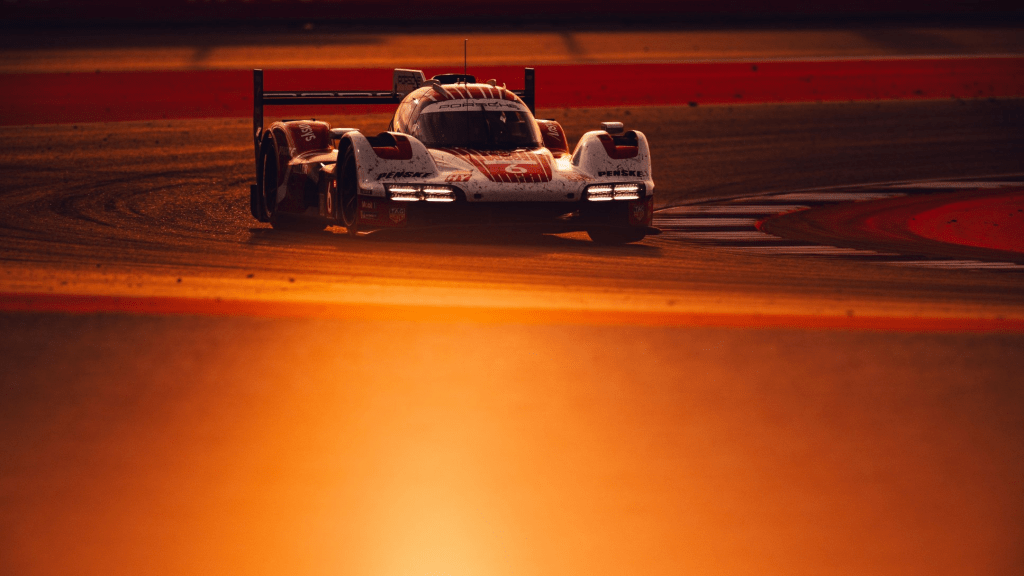
Porsche (Penske)
At-A-Glance
2024 Manufacturers: 2nd
2024 Drivers: 1st/5th
In: Julian Andlauer, Mathieu Jaminet
Out: Andre Lotterer, Frédéric Makowiecki
Power-to-Weight Ratio below 250kph: 477 W/kg, 7th
Power-to-Weight Ratio over 250kph: 482 W/kg, 6th
The defending drivers’ champions have arguably strengthened their lineup even further. They’ve replaced the aging Andre Lotterer with Matt Campbell, probably the strongest driver in the #5 car. He was also Porsche’s better qualifier, beating Kevin Estre on 10 out of 15 occasions. This does mean that Porsche clearly have a #1 car and a #2 car, with the #6 definitely being stronger than the #5. It’s not clear to me that this is a winning strategy now both cars count in the manufacturers’ championship. It will, however, help them to win races – particularly Le Mans, at which Porsche have been somewhat anonymous so far. A best finish of 4th there in Hypercar – despite obvious success elsewhere – can’t be making the board happy.
Overall the rule change that both cars score points in the manufacturers’ may well help them. They would have won last year had that been the rule, and while they have strengthened one car at the cost of the other, they also have better reliability than Toyota. There are some reasons for pessimism, though. They don’t have the favourable BoP that gave them a head start at Qatar last year. They also won’t have Jota taking points off their rivals (I mean, Jota are now one of their rivals).
Ultimately Penske still seem like the best team and in a series where the BoP is getting increasingly well dialled-in that’s probably enough to make them favourites.
2025 Target: Win both championships. And at least get on the podium at Le Mans this time.
Toyota
At-A-Glance
2024 Manufacturers: 1st
2024 Drivers: 3rd/4th
In: None
Out: Also none, unsurprisingly
Power-to-weight ratio below 250kph: 473 W/kg, 8th
Power-to-weight ratio over 250kph: 489 W/kg, 3rd
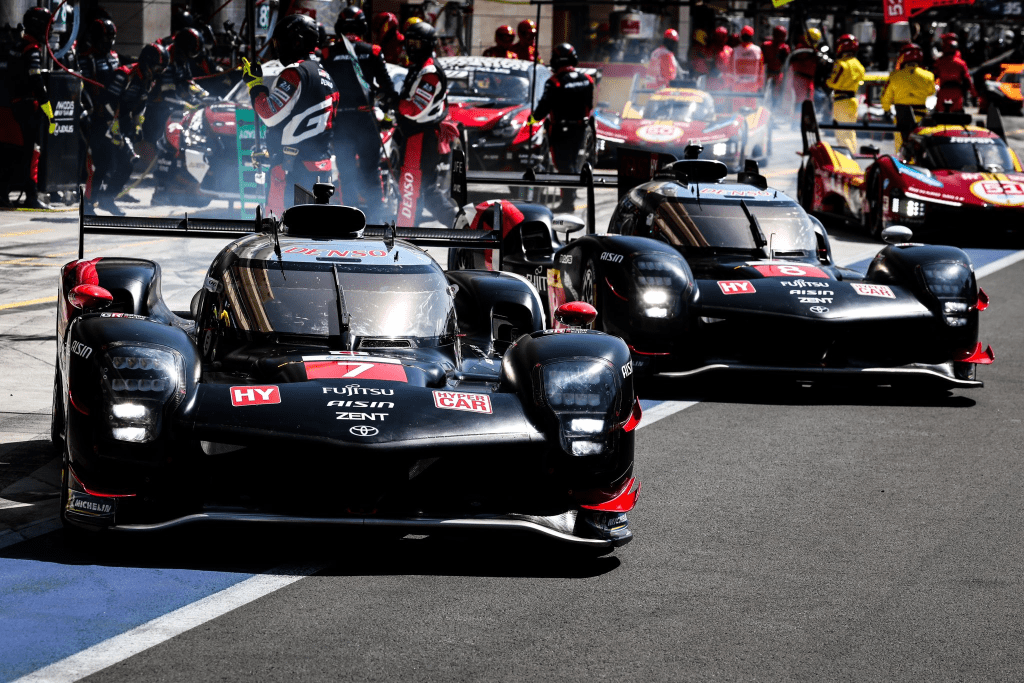
The defending manufacturers’ champions enter 2025 with some questions to answer. Both cars now scoring points in the manufacturers’ trophy is bad news for the Cologne squad. It means the sort of reliability issues that plagued in particular the #7’s season (at Le Mans, Sao Paolo and Bahrain) will also kill any chance at a championship if they recur.
That’s also true for driver errors, of course, which Toyota had a few of last year. I’m not surprised they stood pat on drivers though – after all, the main culprit was Kamui Kobayashi. Who’s a) probably earned a bit of grace over the years, b) would be in charge of firing himself, and c) certainly looked pretty sharp scything through the Daytona field twice a month ago. It’s reasonable to speculate that some of Kobayashi’s over-aggression – and some of Toyota’s weird strategy, particularly at Fuji, was making bad decisions under unaccustomed pressure. It would be very un-Toyotalike to not have at least identified that and corrected it over the off-season. You’d also think it would be somewhat un-Toyotalike to have not fixed the car’s reliability mind. 2024 was the second year running that they’ve had a few issues, so that didn’t happen last time.
If they get an untroubled run the #7, which has the best driver line-up in the field (though the gap to the #6 is smaller than it was), is probably favourite for the drivers’. That might well be enough to propel them to the manufacturers’ as well, given they’re not starting out this year with a hideous BoP deficit. But the untroubled run hasn’t happened the last two years, so for the first time Toyota enter a season as (marginal) underdogs.
2025 Target: Win both championships
The Challenger
Ferrari (AF Corse)
At-A-Glance
2024 Manufacturers: 3rd
2024 Drivers: 1st/5th
In: None
Out: None
Power-to-weight ratio below 250kph: 483 W/kg, 6th
Power-to-weight ratio over 250kph: 483 W/kg, 6th
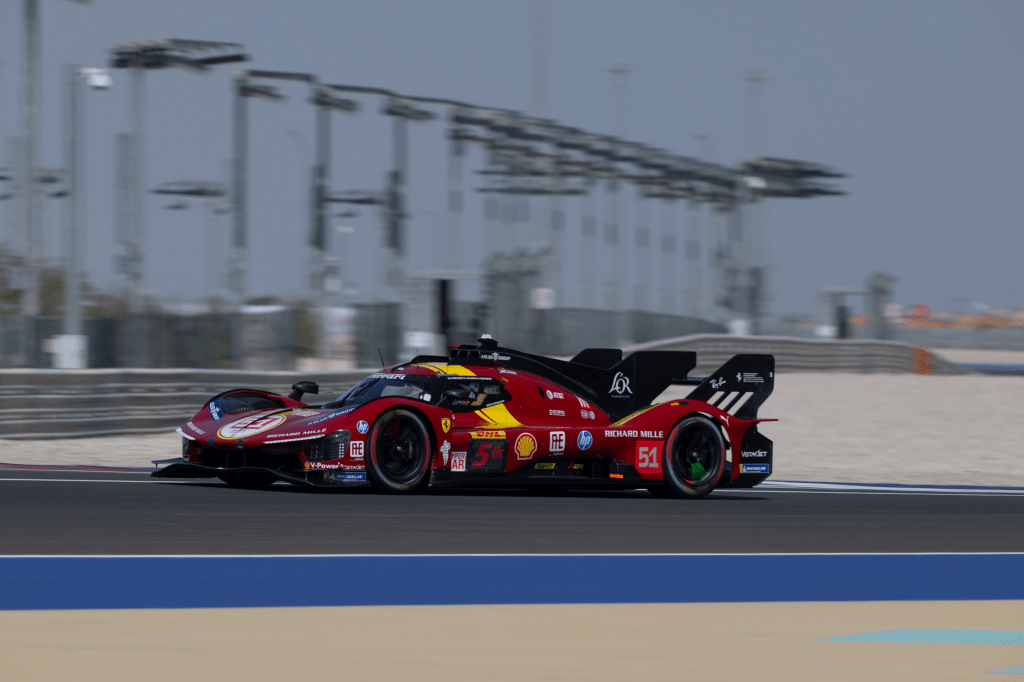
It’s difficult to know what to make of Ferrari. Of course they’ve won Le Mans twice in a row, but after pushing Toyota harder than anyone in their debut year they faded towards the end of 2024. They’ve been quoted as saying the target is the championship, not Le Mans, this year. Does that imply it hadn’t been previously?
Are they serious challengers? Well, maybe. They’ve made no changes to the driver line-up, which means once again the #50 should comfortably eclipse the #51. That may be even more the case if Antonio Giovanazzi continues his impressive improvement from last season. It doesn’t really help with the manufacturers – or rather it wouldn’t, but as we’ve discussed it’s also the case for Porsche and Toyota. (Of the three, Toyota’s #8 is fairly clearly the best second car though, and Ferrari’s #51 is probably the worst).
Overall it seems likely that Ferrari will have their ups and downs again. It seems unlikely that they can manage to piece together enough ups and sufficiently few downs to take a title, but it’s not impossible. And more race wins are certainly likely.
2025 Target: Win multiple races and take one of the championships (most likely the drivers for the #50)
The Dark Horse
Cadillac (Jota)
At-A-Glance
2024 Manufacturers: 7th
2024 Drivers: 11th-ish
In: Jenson Button, Will Stevens, Norman Nato, Jota
Out: Ganassi
Power-to-Weight Ratio below 250kph: 488 W/kg, 2nd
Power-to-Weight Ratio over 250kph: 505 W/kg, 1st
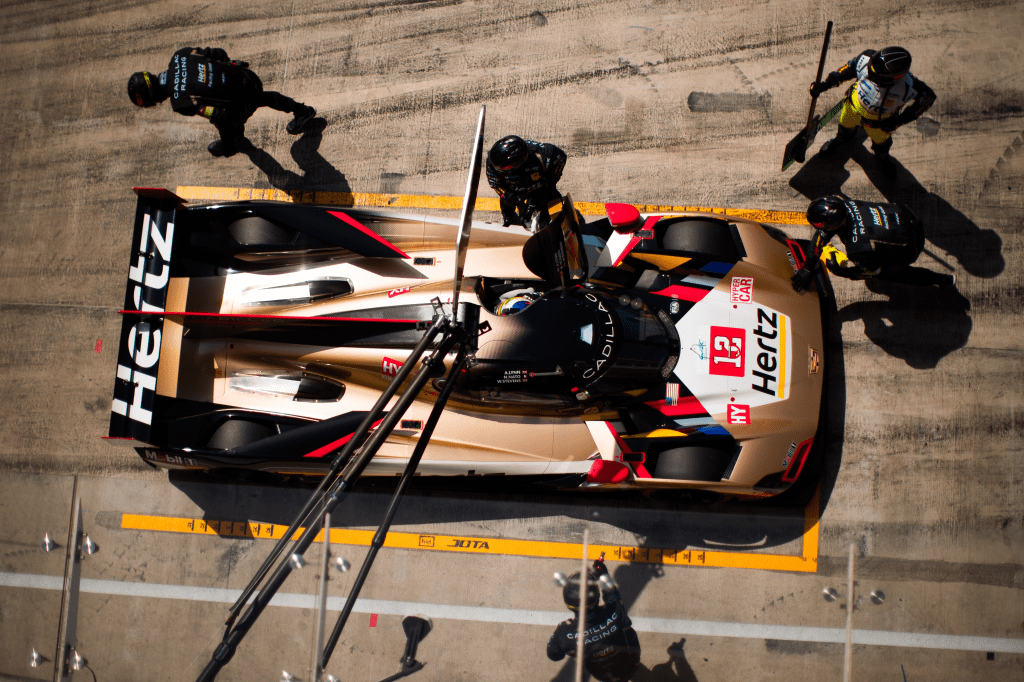
Cadillac were pretty much nowhere last year, so why do I have them as dark horses? Two reasons: IMSA and Jota. Cadillac are multiple race winners in IMSA, taking the title in 2023 (no Toyota over there of course) and pushing Porsche hard last year. Daytona didn’t go brilliantly this year, but if Louis Deletraz hadn’t crashed out the #40 which had lead in the hands of Kamui Kobayashi it may have been a different story. They do this despite a generally much less favourable BoP, generally roughly on par with Porsche.
In other words, there’s reason to believe that what was pretty much a satellite Ganassi operation (and which only had one car) was severely underperforming. Jota’s effort may well be a much more serious challenger. For a start, they’ve got two cars, which means twice as much test time. Jota comfortably saw off AF Corse’s “privateer” Ferrari to win the Teams Cup last year, and had intermittently good results throughout the year with the #12 while the #38 consistently picked up points. Many of the #12’s mistakes belonged to Callum Ilott, who’s now back in IndyCar with Prema.
Jota were pretty fortunate to win the 6 Hours of Spa last year, but between their new works team status and the Cadillac’s untapped potential in WEC, they may not need so much luck for a repeat performance. Or two.
2025 Target: Win more than one race
The Rest
Alpine (Signatech)
At-A-Glance
2024 Manufacturers: 4th
2024 Drivers: It’s confusing
In: Frédéric Makowiecki
Out: Nicolas Lapierre, Mathieu Vaxivière
Power-to-Weight Ratio below 250kph: 487 W/kg, 4th
Power-to-Weight Ratio over 250kph: 474 W/kg, 8th
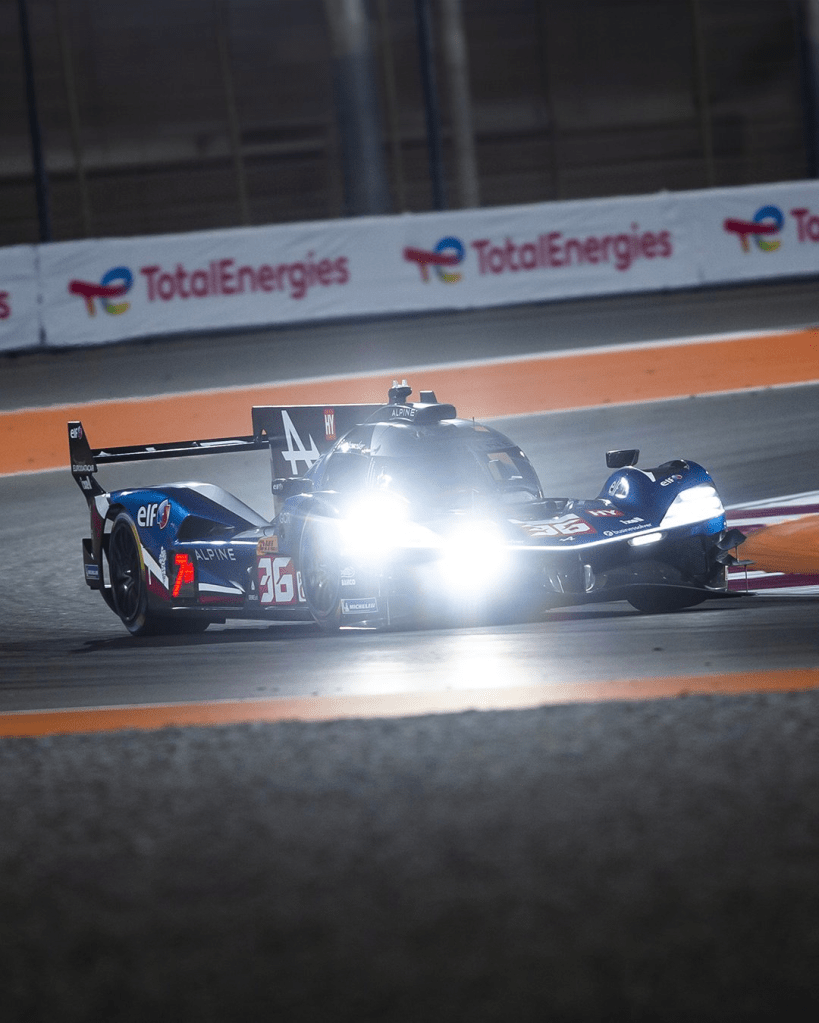
Alpine were probably the team that made the most obvious progress last year, scoring just 12 points in the first five races and 54 across the final three. This in part came as a result of a driver reshuffle that caused the 7 drivers they used to score six different point totals, explaining my confusion in the “drivers” box above.
The Alpine’s primary asset is its straight-line speed, with the slippery car regularly being fastest through the speed trap. As you can see above ACO are doing their best to stop that (personally I dislike this approach to a BoP table but that’s not the topic here). This came in handy regularly as the car usually qualified poorly, but was generally able to overtake. Other than qualifying last year’s big problem was reliability. Alpine insist they’ve fixed the issue that lead to the double DNF at Le Mans, using a joker to make some changes to the engine. However, prior to the season last year they also insisted the Mecachrome-derived engine was reliable. We shall see.
Drivers-wise, I think Fred Makowiecki is probably still a bit of an upgrade on Mathieu Vaxivière. Vaxivière has been around at Signatech for ages, but despite this I can’t really remember an occasion on which his performance really stood out. Jules Gounon is a perfectly acceptable replacement for the retiring Nico Lapierre and if Mick Schumacher continues to develop in his second year Alpine have many reasons for optimism.
2025 Target: A race win and regular podium finishes, preferably including Le Mans
Aston Martin (Heart of Racing)
At-A-Glance
2024 Manufacturers: –
2024 Drivers: –
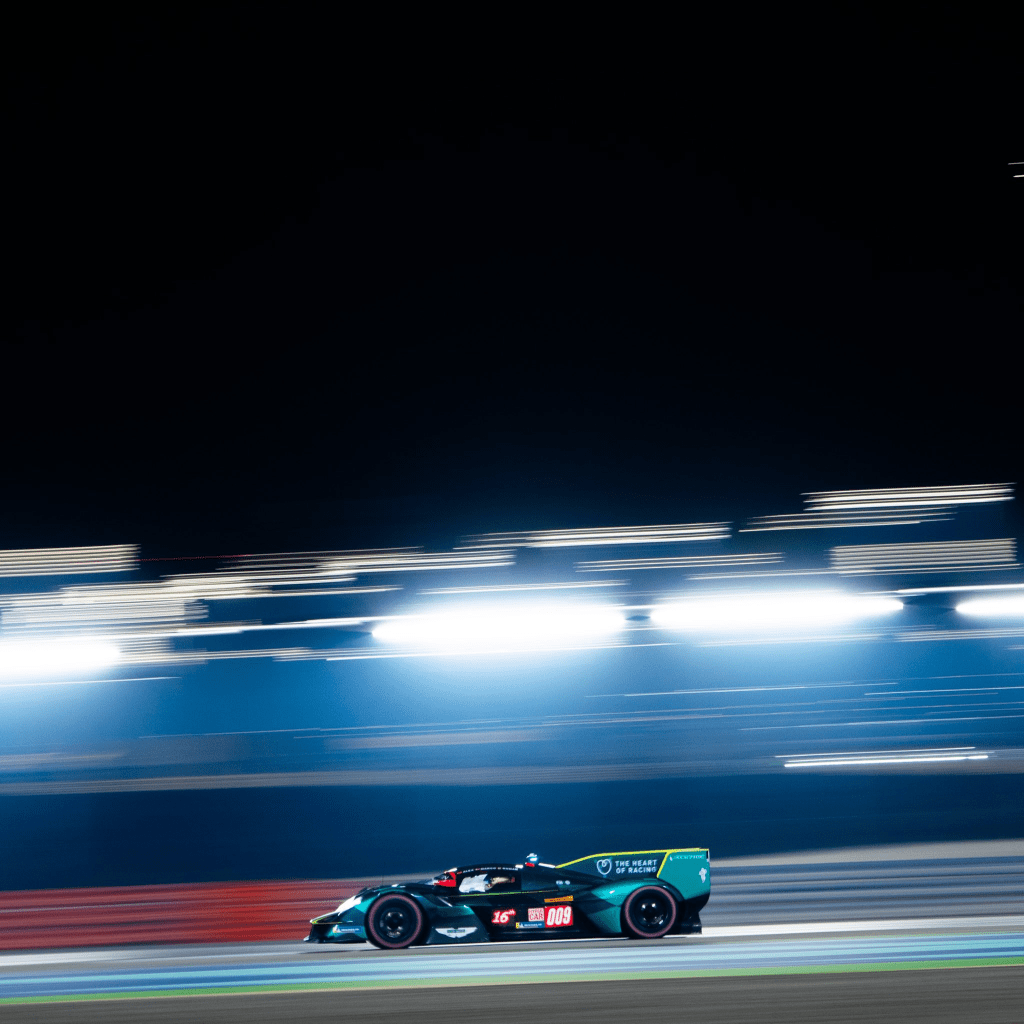
In: Harry Tincknell, Tom Gamble, Ross Gunn, Alex Riberas, Roman de Angelis, Marco Sorensen
Out: None
Power-to-Weight Ratio below 250kph: 484 W/kg, 5th
Power-to-Weight Ratio over 250kph: 486 W/kg, 4th
2025 Target: A solid midfield season would be impressive enough for the newcomers
BMW (WRT)
At-A-Glance
2024 Manufacturers: 5th
2024 Drivers: 12th/18th
In: Kevin Magnussen
Out: Marco Wittmann
Power-to-Weight Ratio below 250kph: 487 W/kg, 3rd
Power-to-Weight Ratio over 250kph: 491 W/kg, 2nd
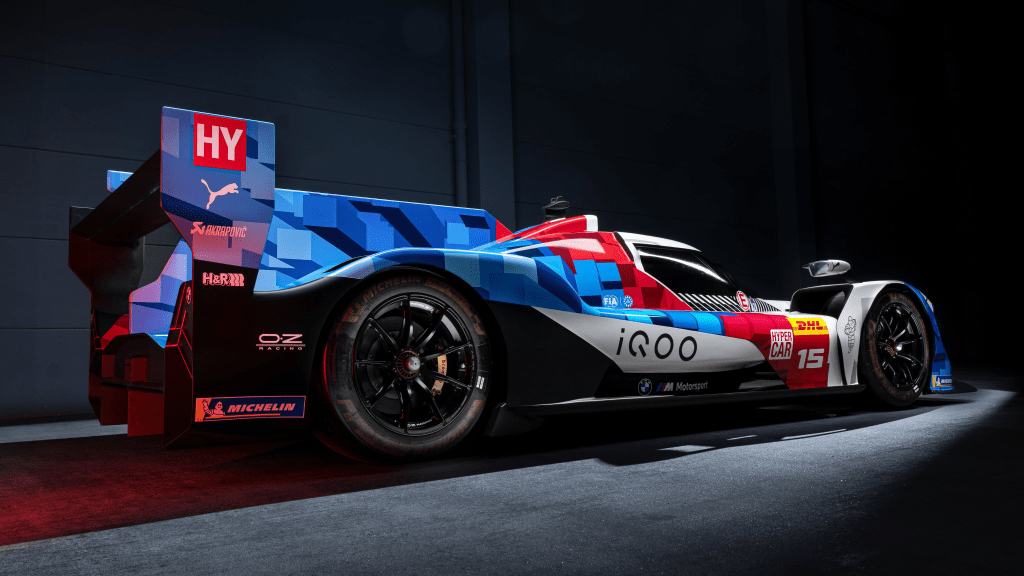
By the end of 2024 BMW had fairly clearly slipped behind Alpine in WEC’s pecking order. Over in IMSA the cars also finished 7th and 8th, last of the non-Lamborghini works entries. Even the bright spot of a 2nd place at Fuji was mostly down to some very bad Toyota decision-making trying too hard to win their home race (though to be fair they beat Alpine fair and square).
So there’s not a lot of reason for optimism entering 2025. That said, with the gaps all the way across the field narrowing it’s not unreasonable to think that BMW might be capable of one-off podiums and potentially even victories. They do this in IMSA, after all, having won a race in each of 2023 and 2024. It’s just…not likely.
On the driver front, Kevin Magnussen’s a reasonable signing with previous sportscar experience in IMSA. The F1 circuit also goes to most of the WEC circuits, so it’s only really Fuji and Le Mans he’ll have much learning to do on. I’d say he’s probably an upgrade on Wittmann, but not by so much as to push BMW much up the order. It’s not clear to me what’s up with BMW’s cars in terms of relative strength. The #20 was responsible for BMW’s two early-season points finishes and the #15 was responsible for all the late-season points. Much of this was due to retirements which, as I mentioned in my season review, weren’t entirely BMW’s fault. But they also weren’t entirely not their fault, and in endurance racing staying out of trouble is a skill. It’s one WRT’s drivers need to think about.
2025 Target: Actually have a podium finish that’s not mostly achieved by other cars taking each other out. Oh, and finish all the races.
Peugeot
At-A-Glance
2024 Manufacturers: 6th
2024 Drivers: 11th/19th
In: Malthe Jakobsen
Out: Nico Müller
Power-to-Weight Ratio below 250kph: 504 W/kg, 1st
Power-to-Weight Ratio over 250kph: 478 W/kg, 7th
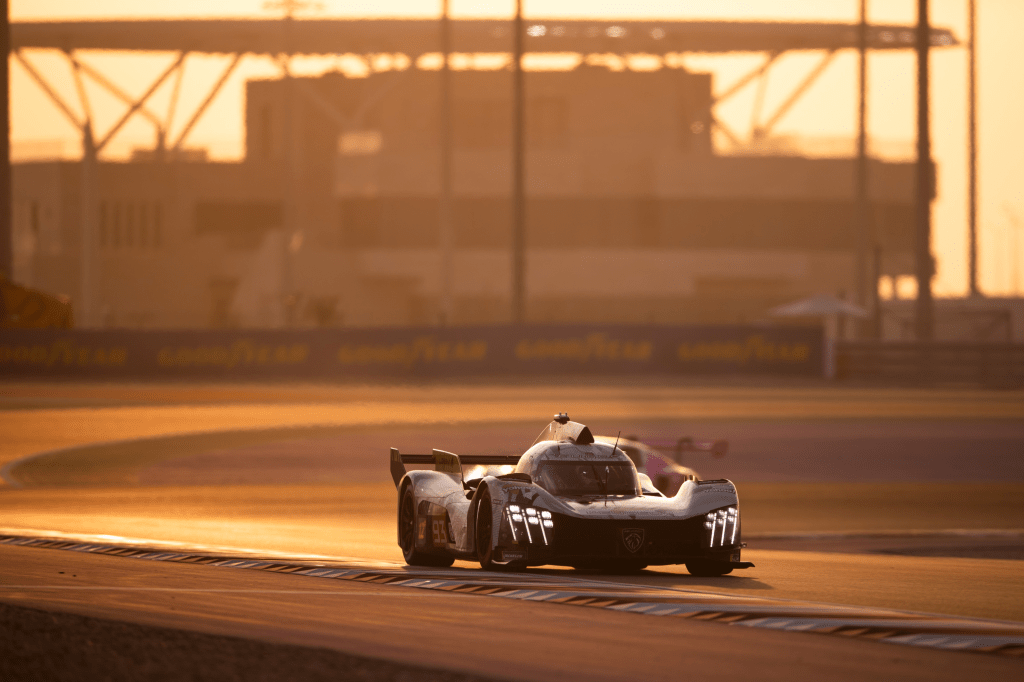
Ah, Peugeot. After spending the offseason completely working the 9X8’s aerodynamics, the new car turned out to be no faster than the old one. Which is, to be fair, to say it’s competitive once boosted by a favourable BoP table, as it now has been. Peugeot’s 39 points in the final two races was level with Toyota, 2 behind Alpine and 4 behind Porsche. So there’s no particular reason to think they can’t be competitive assuming this state of affairs continues.
I think Peugeot’s driver line-up has been strengthened by replacing Nico Müller with Malthe Jakobsen. For a start, Jakobsen will not miss races for Formula E commitments. Moreover, recently he’s been about the fastest LMP2 driver in the world. He’s coming off victory in the Asian Le Mans Series and a Rolex 24 challenge where he was contending for victory into the 19th hour before Colton Herta crashed out. Still only 21 years old, Jakobsen’s one of the most exciting talents in sportscar racing.
It’s not obvious to me it matters all that much, mind, since Jakobsen’s team-mates only scored 4 points last year; I suspect much of Peugeot’s challenge may be carried by the other car. It does seem that that challenge may well be for podium slots, but sustaining it looks very depending on maintaining a favourable BoP. This is presumably somewhat unlikely since, um, that’s not how BoP is supposed to work.
2025 Target: Back up the last two rounds of 2024 with regular podium finishes
Proton
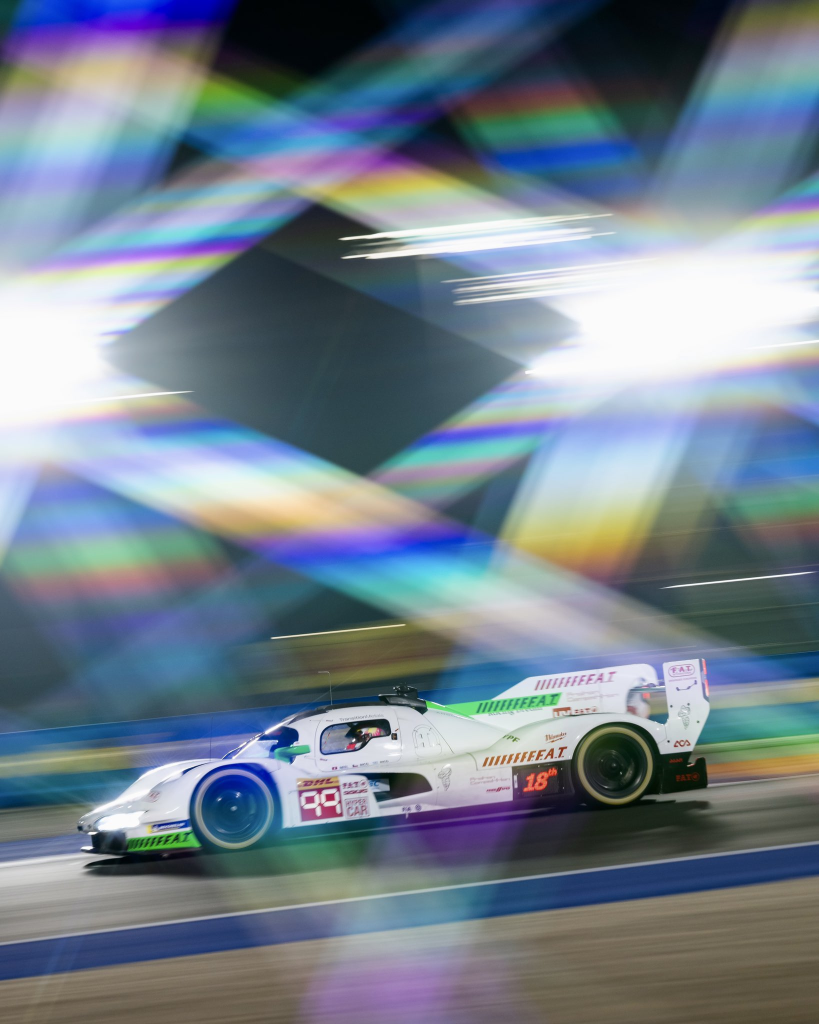
At-A-Glance
2024 Manufacturers: N/A
2024 Drivers: 17th
In: Nico Pino, Nicolás Varrone
Out: Julian Andlauer, Harry Tincknell
Power-to-Weight Ratio below 250kph: 477 W/kg, 7th
Power-to-Weight Ratio over 250kph: 482 W/kg, 6th
With Jota now the Cadillac squad, Proton are the only real privateer remaining in WEC. Will it mean anything for their competitiveness? I doubt it. To date, across all of IMSA and WEC, the only team that’s managed much of note with a privately entered Porsche 963 has been Jota. They’ve had their driver line-up raided by works squads meaning that only Neel Jani has raced in the top class before.
Still, they are racing a Porsche 963 and both of the replacement drivers are promising. Nico Pino’s career looks a bit like Malthe Jakobsen’s only a year behind (and indeed he is 20), and Nico Varrone has been very impressive in GT racing. Though given their lack of experience you’d assume any impressive results Proton do manage will likely come in the second half of the year.
2025 Target: Beat the yellow AF Corse Ferrari to win the Hypercar Teams Cup

 Motorsport Analytics
Leave a reply to Previewing the 2025 World Endurance Championship (LMGT3) – Motorsport Analytics Cancel reply